
Easter in the Garden

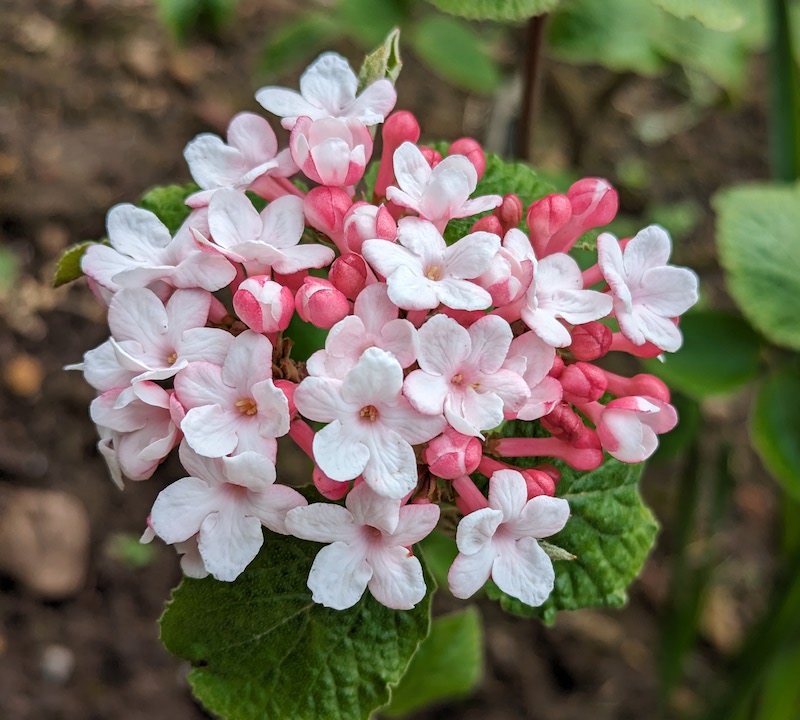
Image: Val Bradley
The Easter weekend signals the start of the gardening season. No matter what the weather is throwing at us, our plants know the starting pistol has been fired and the season has begun.
After such a wet spring, a lot of gardens are still too wet to work and you can easily do more harm than good by trying. Walking on wet soil pans it down and squashes the air out, making it harder to work later on when it does dry out.
Pull out any weeds you can reach and content yourself with planning what you will do later on!
There are bargains to be had at the moment, because the weather has meant sales have been slow, but beware, if something looks too good to be true, then it may not be the bargain it seems. If you buy cheap, you often have to buy twice.
Easter weekend is a terrible time for plants in some respects, especially indoor ones. Our local Tesco has some beautiful orchids for sale at a reasonable price, but they are on a trolley OUTSIDE the shop, in the shade of an overhang and in a wind tunnel. These are highly unlikely to make it and buying one will almost inevitably lead to disappointment.
As plant lovers, we have a tendency to blame ourselves when a plant dies, but the fact is that you have no idea what that plant has gone through since it left the cosy nursery where it began life. From a routine of regular watering and feeding, it has been dried to make it weigh less during transport, kept in a lorry, possibly chilled from overnight standing and then put on display near a cold, draughty door. Even worse, like the orchids, left outside.
Always have a mental check list before you buy anything:
- Does the plant seem plump and healthy, with no sign of pest or disease?
- Is it in full flower or bud? By all means, use a flowering one to check the colour, but then buy one in bud so you get the full benefit of the flowers.
- Is it very dry? Every plant can stand drought to some extent, but there is a “permanent wilting point” beyond which it will not recover.
When you get the plant home, water it and stand it somewhere sheltered to recover. Indoor plants should be placed somewhere well-lit and draught-free.
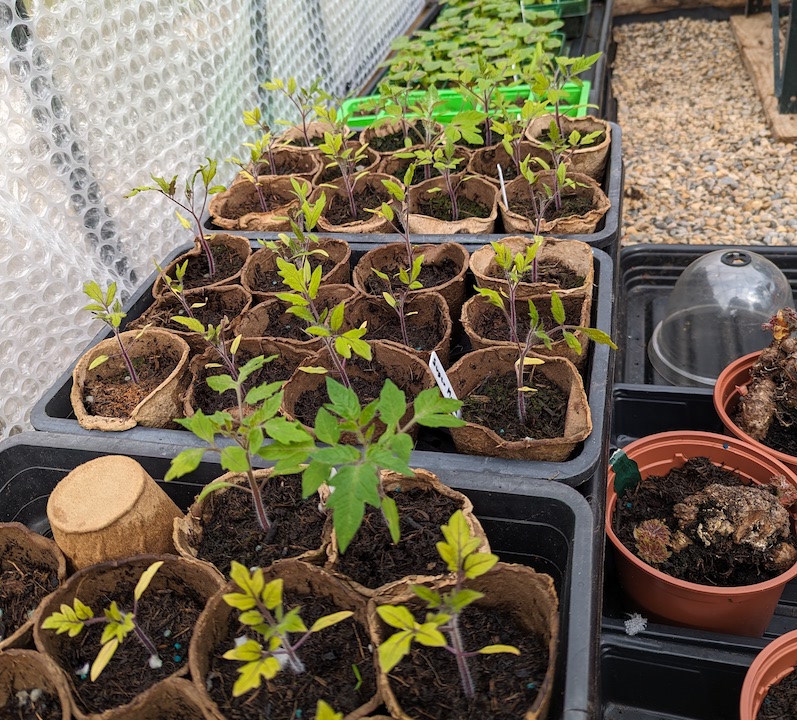
If you are looking at buying vegetable plants, bear in mind it’s still too early to put them outside full-time. Victorian gardeners had a saying that if the soil was too cold to sit on with your bare bottom, it was too cold to plant into. Not a suggestion most of us would take up, but it makes the point! Young vegetable plants should be acclimatised to the temperatures outdoors by standing them outside during the day and moving them under protection at night until the soil is warmer and there is no danger of frost. You can speed up soil warming by covering it with a cloche or black plastic.
However, seed sowing is in full flow and an early start will give you a longer season of flowering and/or fruiting this summer. Watch for any signs of fungal attack and be ruthless at getting rid of affected plants before it can spread. Remember, NEVER handle a seedling by the stem as you pot it on. Hold it by a leaf - if you tear a leaf, it can make another, but if you bruise the stem, it will die. Far too many so-called experts ignore this basic rule!
Top of the bargain hunt at this time of year? Bargain collections of vegetable plants (if you have space for them) and pots of bulbs that have gone over and are being sold off cheaply. You can never have too many bulbs!