
Taking the Pip

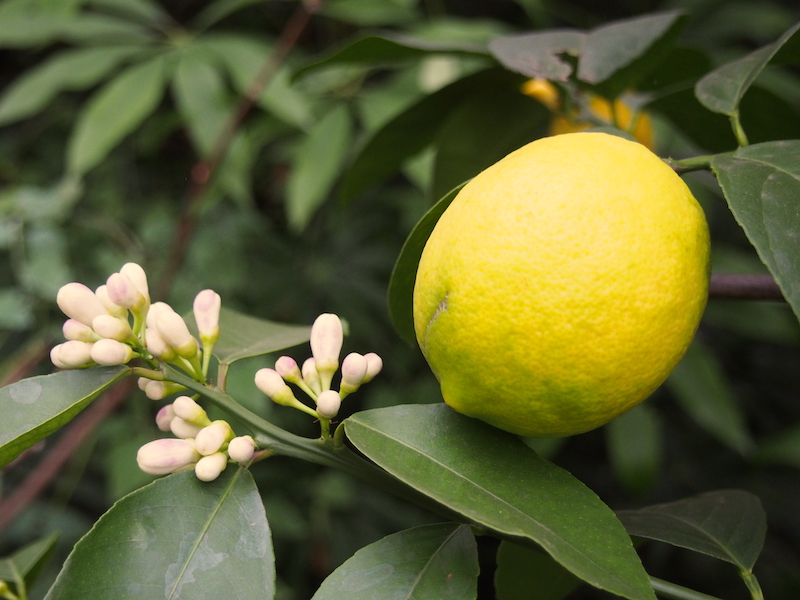
Image: Val Bradley
Like orchids, citrus plants were once the status plants for the rich and famous. There are few really large houses that have no claim to an “orangery”, where these exotic plants would be kept in well-lit, warm conditions in order to produce fruit for the Master of the house to impress his guests.
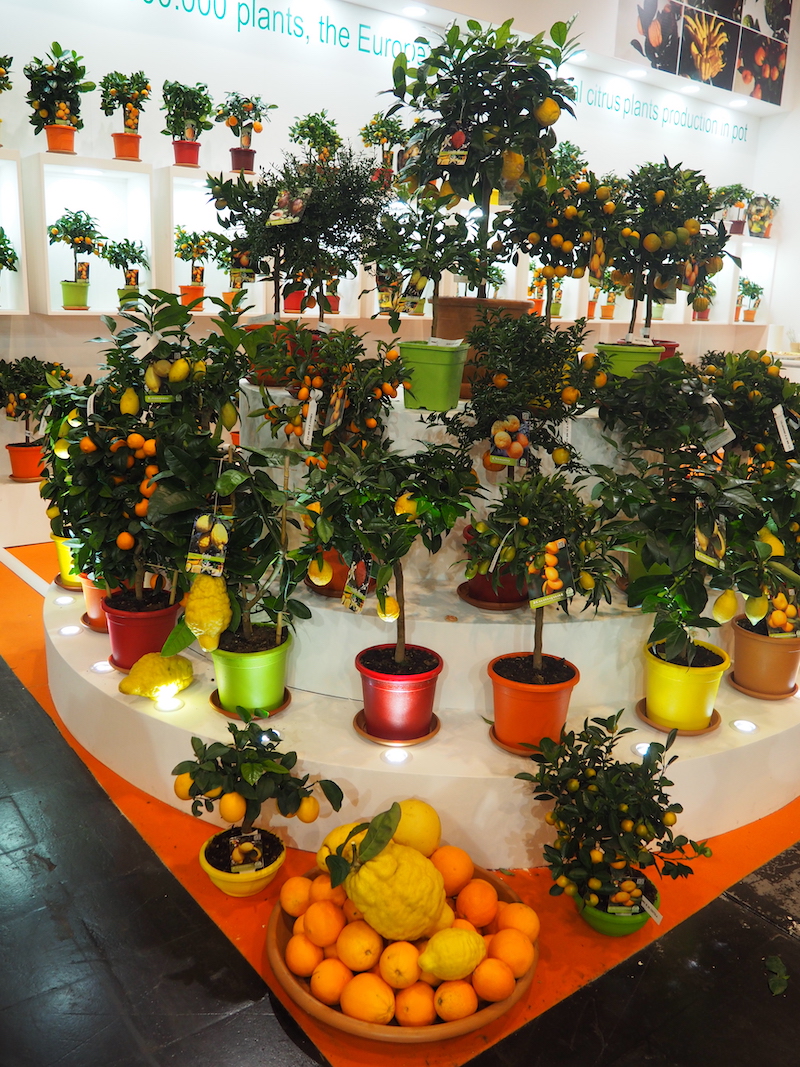
Also like orchids, the price of citrus plants has fallen as production techniques have improved. Now, nurseries, garden centres and some supermarkets have lemons, limes, kumquats and calamondin oranges for sale, although they’re still a long way from cheap. If you’re going to splash out, or if you receive one as a gift, it’s important to make the most of your plant to keep it alive and producing fruit. There are hundreds of varieties of citrus and they can be divided loosely into bitter or sweet.
They do make very attractive plants, with their oil-laden, glossy, fragrant leaves and highly-scented flowers. You can even float a leaf off a plant like grapefruit in your bath water for a gentle zesty scent.
It is quite common to have flowers and fruit at all stages on your plant at the same time. There is no set harvest time and the fruit can be left on the plant until you want it. It would eventually fall off and rot, but hopefully you will have used it before then!
While their temperature requirements may vary, the one thing they have in common is that citrus plants need all the natural light you can give them. If they are not getting enough, they will sulk and new shoots will be slow to appear. If the situation continues, the lower leaves may fall off, especially in late winter. Stand them near a bright window, especially over winter, or move them into a frost-free greenhouse.
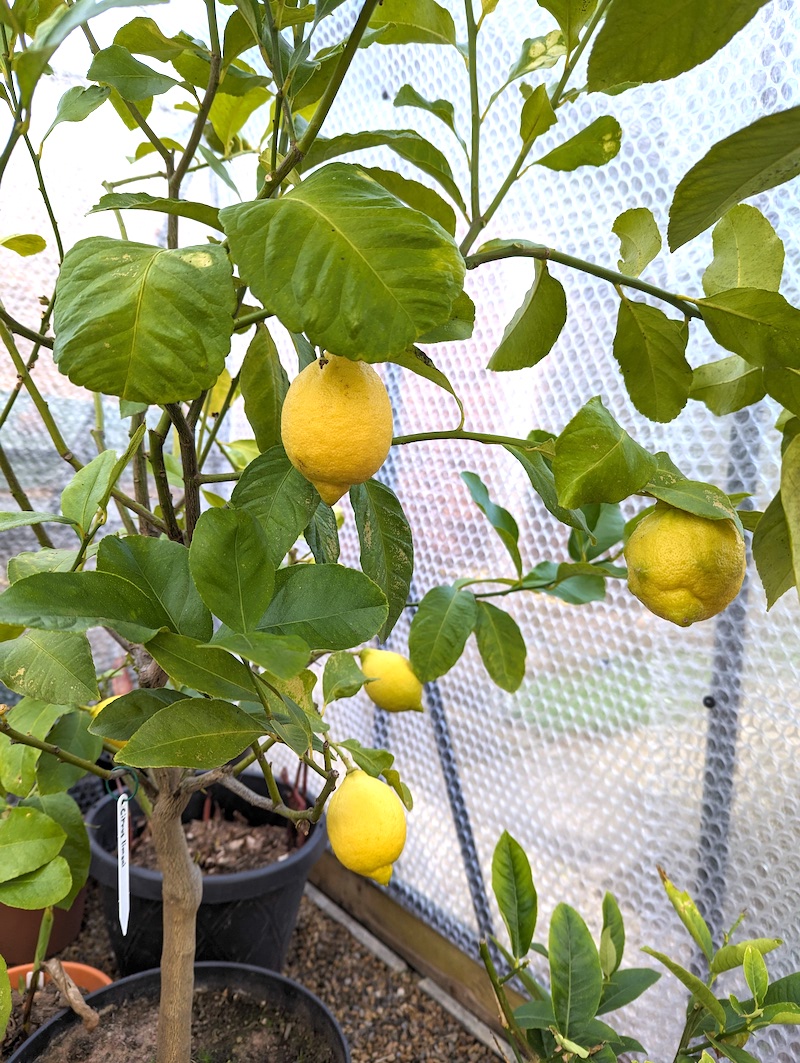
Water only when the compost is dry and then apply enough for the water to run out of the base of the pot. Then let it dry again. As a good friend said when I asked how she watered her citrus: “If in doubt, don’t water”.
Citrus are greedy feeders, but store little food in the actual plant. Many a lemon has been killed by pruning because too much growth was removed. If you need to trim the plant, do it in spring as the new shoots appear and never take away more than a third of any shoot. Cut to a strong new shoot and always leave some leaves in place.
Citrus fruits are packed with vitamin C and various minerals, but some are more readily edible than others and it pays to get the right variety to grow at home. Calamondin fruits are tart, but the juice can be included with Seville oranges if you make marmalade. Kumquats are delicious preserved in syrup to use as cake toppings and, unlike other citrus, the peel is edible so you can leave them whole.
Yuzu are bitter fruits, likened to a cross between lemon and grapefruit, but they are widely used in Japan in both sweet and savoury dishes. Surplus fruits that fail to meet the grade are floated in the bath so their astringent oils are released, acting to relieve the symptoms of a cold. They are amongst the most hardy citrus and can tolerate winter temperatures down to -7C as long as the roots are protected.
In many areas, citrus plants can spend summer outdoors, but preferably in a sheltered, sunny position. Like everything else, they are prone to pest and disease attack. Red spider mites, scale insects, mealy bugs and sooty mould are all problems to watch out for.
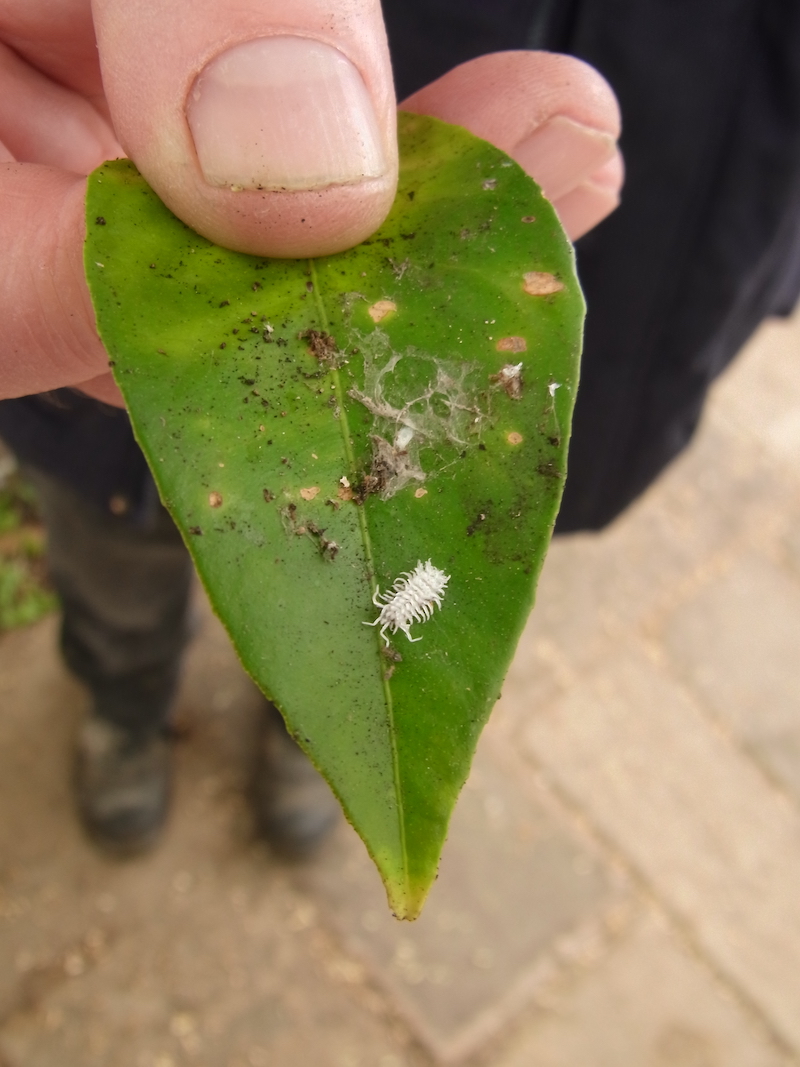
Black-looking leaves tend to be covered with sooty mould, which grows on the sweet, sticky residue left behind as sap-sucking insects feed. Scale insects tend to congregate on the undersides of leaves, along the mid-rib, so you may not even realise they are there until you see the mould. You need to treat the insects in order to reduce the mould - once there is no more sticky “honeydew” dripping down to feed on, the mould will stop.
Citrus grow readily from seeds, which is ideal for children to get into gardening, but these plants may not produce fruit. If all you want is an attractive foliage plant, then this is an ideal way to produce them. Fruiting varieties tend to be reproduced vegetatively by grafting, as cuttings can be slow to root.
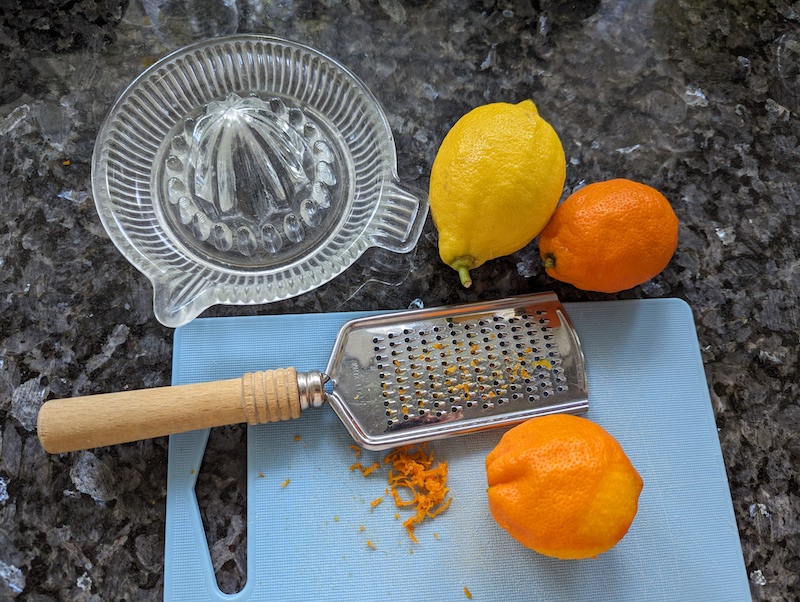
The best part about growing citrus is having them to use fresh in drinks and cooking. Once you taste lemon cake made with your own fresh fruit, shop-bought ones will never match up!