
Join Mr Fothergills & Darlac in The Chelsea Chop
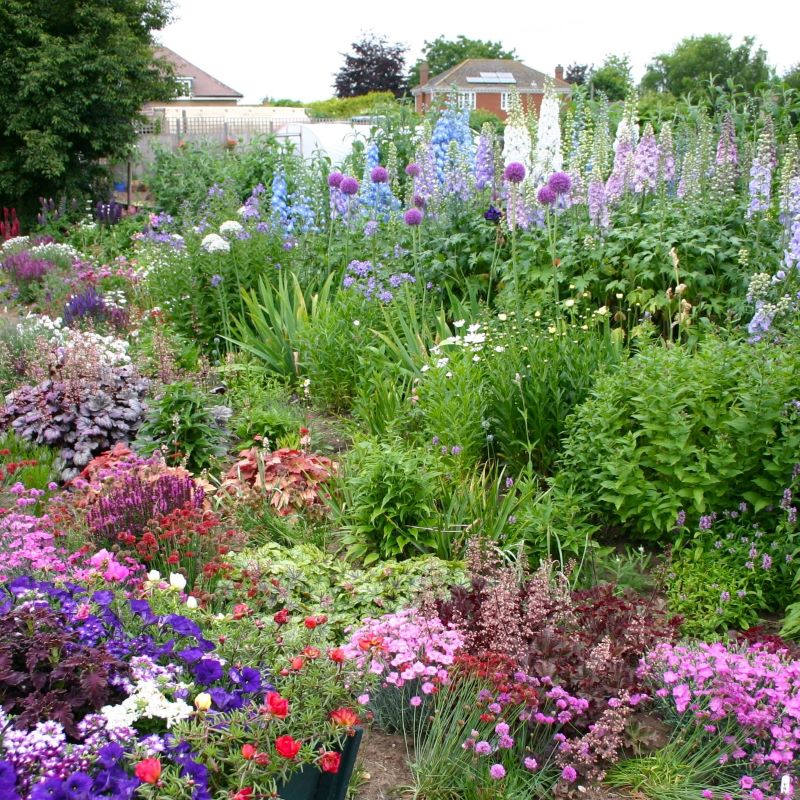
Image: Mr Fothergill's
Gardening is for everybody, whether you have a patio with a few containers or half an acre, the principles and aims are the same - We all want to create an oasis and we all want it to be as simple as possible.
Mr Fothergill's and Darlac understand that, sometimes, terms are used that sound great but aren't always explained well enough. One of these terms is the "Chelsea Chop". So, we have decided it is time to demystify the chop and help you get the most out of your garden.
There is no great mystery to the chop - it is simply the pruning of herbaceous perennials to improve and control their shape and flowering. One of the best times to do this is in late spring which often falls around the ubiquitous flower show - hence the name.
Why is the chop recommended? Not only will cutting back herbaceous perennials in late spring improve the plants shape but it will also extend the flowering period. Newly cut stems will develop side shoots which will significantly increase the plant's total number of flowering stems. The now compact, bushy and fuller plants will also have greater weather tolerance and will be less prone to flopping over under the weight of heavy flower heads.
Another effect is to set the growth back slightly meaning the plants will flower slightly later so, if some plants are chopped while others are not, you can extend the flowering period as a whole - what's not to like?
If you've never tried the chop before, don't be afraid! Maybe start with just a few plants this year or even, if you are really worried, how about trying on half a plant to see what the effect is? To help you along, here are some different methods to try:
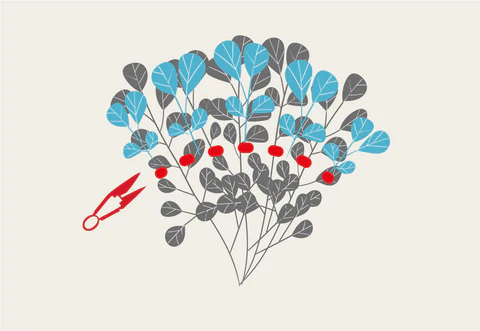
For groups of plants, simply prune the top third off the plants at the front of the group. Long-bladed tools such as the Darlac Lightweight or Classic Shears are perfect for this as they can quickly and easily cut a large number of stems in one go creating a neat and even chop.
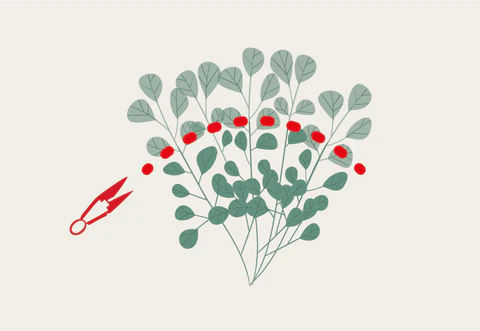
If you have a single plant you want to chop or only want to try it on a single one, selectively cut a third of the stems by half, a third by a third and leave the rest intact. Darlac Compact Snips or Secateurs are the best for a precision chop.
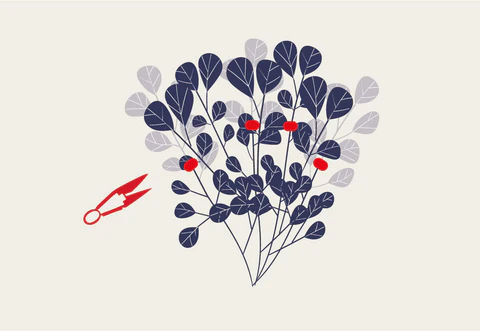
When there is a large single plant or clump that you want to chop, try cutting just the front half of the plant's stems by a third. This will create to tiers that will flower at different times. Darlac Hand Shears are perfect not only for cutting efficiently but also with care
Finally, a couple of tips to bear in mind when doing your chop - avoid cutting any stems where flower buds have already formed. If you have grown perennials for height, do a trial run first to see what the eventual height will be. To finish, give your plants a thorough watering and a bit of fertiliser as this will help them grow back quickly though, be sure to water the the soil and not the newly cut stems.
For more details check out our blog on the Mr Fothergill's Mr Fothergill's website