Home > Pests & Diseases >
These are soft-bodied creatures ranging in size from 1-15cm with colours ranging from black through grey, pink and almost white. Most are nocturnal feeders. Clusters of gelatinous, opaque eggs can be found in moist soils and under stones.
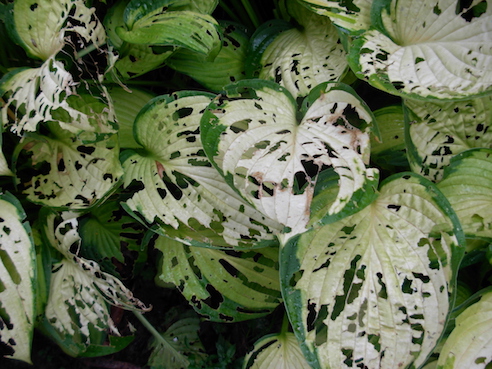
The most obvious signs are the slime trails or silvery deposits left on plants, soil and nearby hard surfaces. Slug activity is always greater during wet periods. Damage to plants includes irregular holes in plant tissue, often with thicker parts of leaves and stems left intact. Young plants and seedlings can be eaten down to ground level and even killed.
Now you know what the problem is, and the damage it is doing, don't let your plant suffer.
For specific problems try one of our specialists...
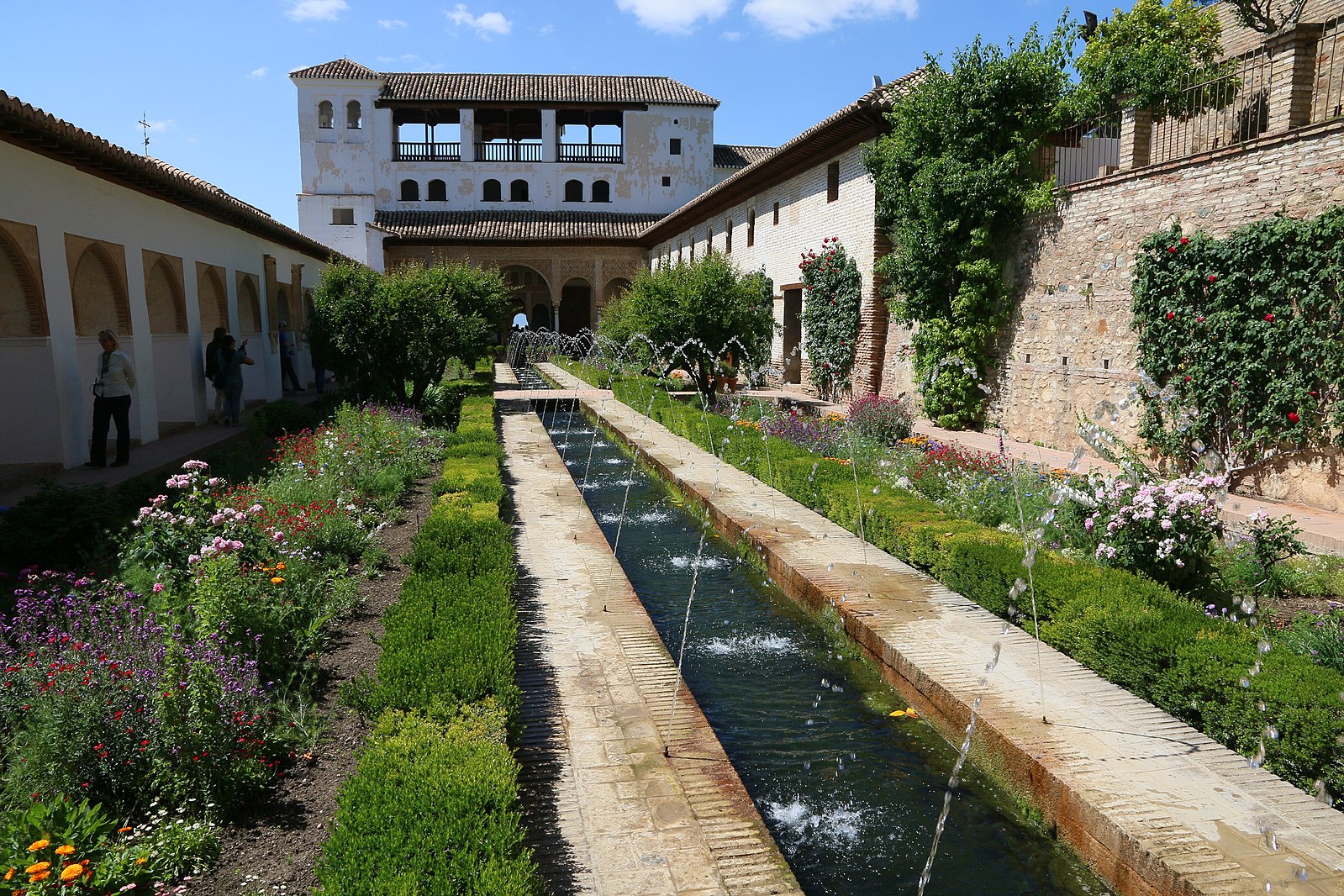
Gardens of the Generalife, Alhambra
Granada, Spain
Rikugien Gardens
Tokyo, Japan
Royal Botanic Gardens, Kew
Richmond, United Kingdom
RHS Garden, Wisley
Woking, United Kingdom
Shinjuku Gyoen National Garden
Tokyo, Japan
Medellin Botanical Garden
Medellin, Columbia