Garden Help
Weekly Magazine
Latest
News: The Peacock Crowned as Britain's Favourite ButterflyNews: How to Keep Your Lawn Green and Healthy During a Summer HeatwaveNews: Rose of the Year 2027: Art DecoNews: Harrogate Autumn Flower Show Turns 50Product review: Forest Master FM6DD Wood ChipperProduct review: STIHL HSA 56 Cordless Hedge TrimmerWin: WIN an Ultimate Doff Gardening BundleWin: Win a £500 Sandstone Paving Circle from London Stone Win: Win a £100 Hillier Garden Centres Gift CardExplore: Pamplemousses Botanical GardenExplore: Monet's Garden, Giverny This week's recipe: Courgette and Feta Fritters
Home Pests & Diseases Sooty moulds
Pests & Diseases

Sooty moulds

Image of Sooty moulds
🔎Description

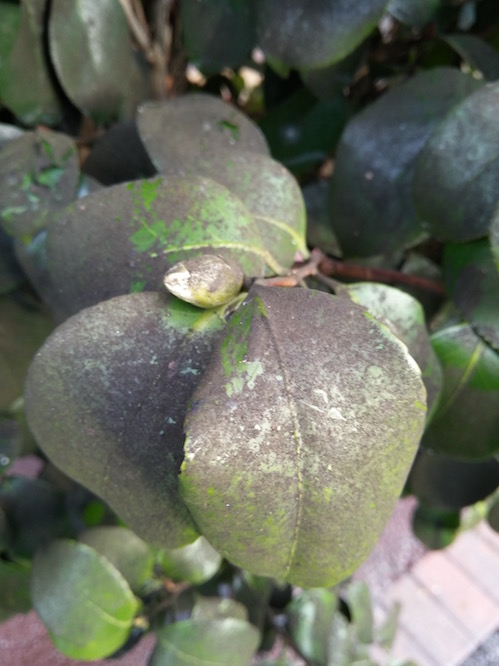
Are caused by a number of different fungi producing a dark brown or black felt like growth and spores over the surfaces of plants. They usually grow on sugar-rich honeydew, the waste produced by sap-sucking insects as a result of their feeding activities.

⚠️Symptoms

A layer of black or dark brown, superficial fungal growth on the stems, buds, flowers and upper leaf surfaces of plants. In the early stages this can take on the appearance of a fine soot-like deposit, and if not treated a thick sheet of growth on plant surfaces. This mould growth is closely associated with sap-sucking pests such as; aphids, mealy bugs, scale insects and whiteflies often found feeding on the plant, above the sooty mould. This mould does not invade the plant tissue but it can cause harm by preventing the affected leaves from functioning properly.

All Pests and Diseases