Burnby Hall Gardens: A Victorian Masterpiece Reborn

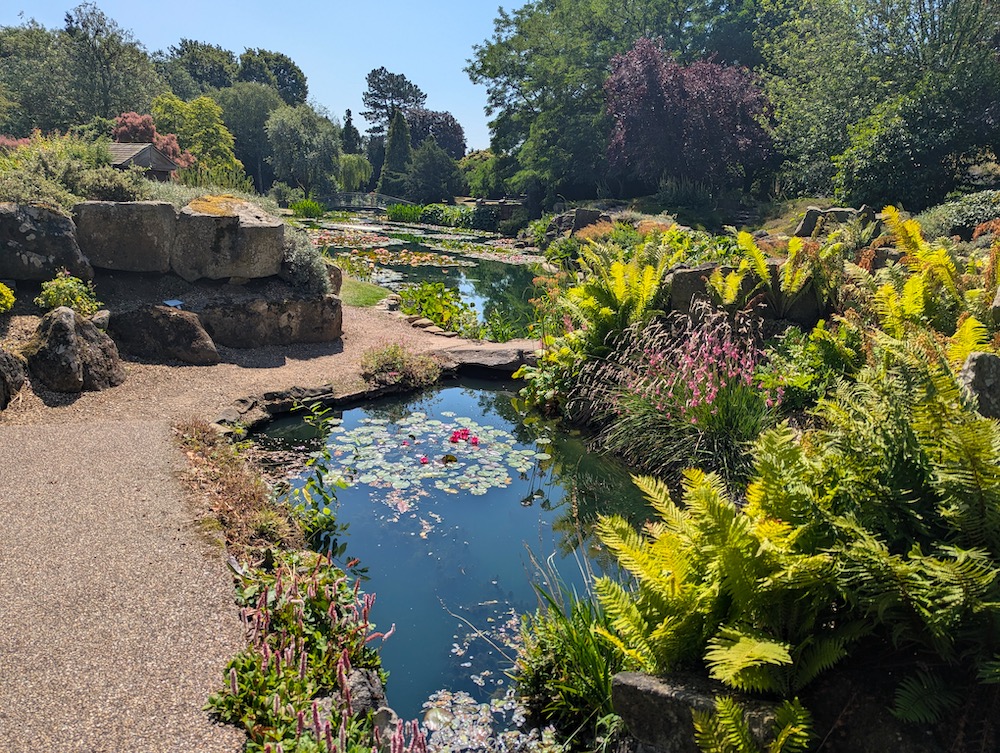
Image: Val Bradley
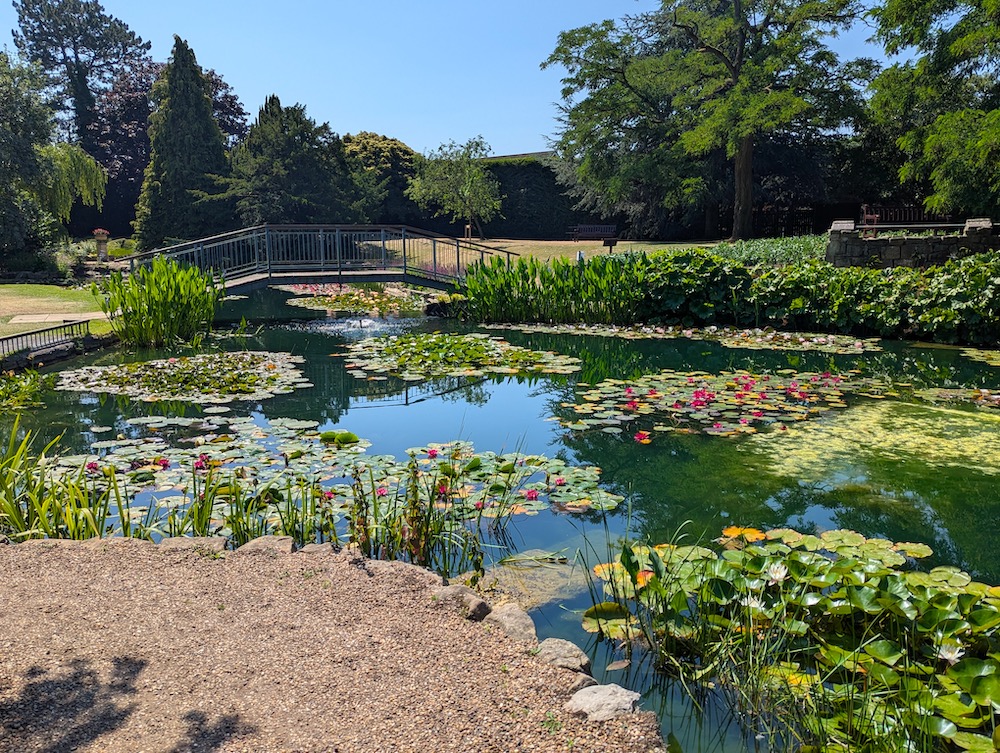
Tucked away in the market town of Pocklington in the East Riding of Yorkshire, Burnby Hall Gardens has long been celebrated for its National Collection of waterlilies and its summer brass band concerts. But look beyond the lily-strewn lake and you'll find a garden with a far deeper story — one rooted in the golden age of Victorian horticulture and kept alive today by dedicated trustees, gardeners, and volunteers.
A Legacy from the "Kew of the North"
The ten-acre estate was left in trust to the people of Pocklington in 1962 following the death of its owner, Percy Stewart, who had built the garden in the early 1900s together with his wife Katherine. Its centrepiece — a magnificent rockery — was the work of James Backhouse & Son, a York nursery firm so renowned in its Victorian heyday that it was dubbed "the Kew of the North." At its peak the company covered 100 acres, ran 40 glasshouses, and employed over 200 nurserymen and landscapers, creating rockeries, ferneries, and tropical glasshouses admired across Britain.
The Pocklington rockery, built around 1906–1910 by James Backhouse III, was one of roughly 76 major projects the firm completed that decade alone. Early photographs — cross-referenced with the company's own promotional booklet, Picturesque Gardens — confirm the rock formations at Burnby Hall as genuine Backhouse originals, their outlines still recognisable in the garden today.
Rescuing a Rockery
Like many great Victorian rockeries, the one at Burnby Hall eventually succumbed to time: overgrown with shrubs and choked by persistent weeds. In 2014, trustees marked the garden's 50th anniversary as a public amenity by launching an ambitious restoration, backed by a Heritage Lottery grant of £635,000 that also funded urgent repairs to the lake's crumbling concrete edges.
Restoration was painstaking. Work began in winter 2016 with the careful removal of trees, shrubs, and herbaceous growth to stabilise the rock formations, followed by two fallow years to bring perennial weeds under control. Landscape architects then turned to historic Backhouse nursery catalogues to guide replanting true to the garden's origins. Over three weekends in autumn 2018, volunteers planted some 15,000 plants and 9,000 bulbs sourced largely from a specialist Scottish alpine nursery — restoring gentians, cyclamen, dwarf daffodils, and ferns to their rocky niches, while a new resin-bonded path improved access for wheelchair users. Today the rockery blooms with the same seasonal drama William Robinson and other Victorian visitors once marvelled at.
The Birch Walk: A New Chapter
The success of the rockery project inspired the gardening team, led by estate manager Ian Murphy and head gardener Jill Ward, to reimagine another corner of the estate. A shady, overgrown strip on the garden's south-western boundary — long used to store lake-dredging "dewatering bags" — was cleared in 2018 to make way for a new woodland garden: the Birch Walk.
A tall, unruly Leyland cypress hedge was removed and replaced with a beech screen, opening the space to light while retaining mature specimen pines. What began as a proposed hydrangea walk evolved instead into a winter garden inspired by Anglesey Abbey, built around the luminous white bark of Betula jacquemontii. Beneath the birches, drifts of Cyclamen hederifolium and C. coum, snowdrops, aconites, and hellebores now carpet the ground in the coldest months, followed by daffodils, tulips, and erythroniums as spring advances. Fragrant winter-flowering shrubs — daphne, mahonia, sarcococca, and Lonicera fragrantissima — extend the season's interest, alongside eye-catching specimens like the pink-catkinned willow Salix gracilistyla 'Mount Aso'.
Future plans call for crown-raising the birches in the style pioneered by the late Princess Sturdza at Vasterival and championed by John Massey of Ashwood Nursery — pruning to lift the canopy and flood the woodland floor with light, so bulbs and perennials can thrive beneath.
A Garden Worth the Journey
From a Victorian rock garden rescued from decades of neglect to a brand-new woodland walk shaped by contemporary planting ideas, Burnby Hall Gardens continues to grow and evolve while honouring its remarkable horticultural heritage. Open through the winter months as well as summer, it remains, as ever, well worth the visit.
More details of Burnby Hall Gardens can be found at burnbyhallgardens.com.