
Essential Gardening Jobs for Early Autumn

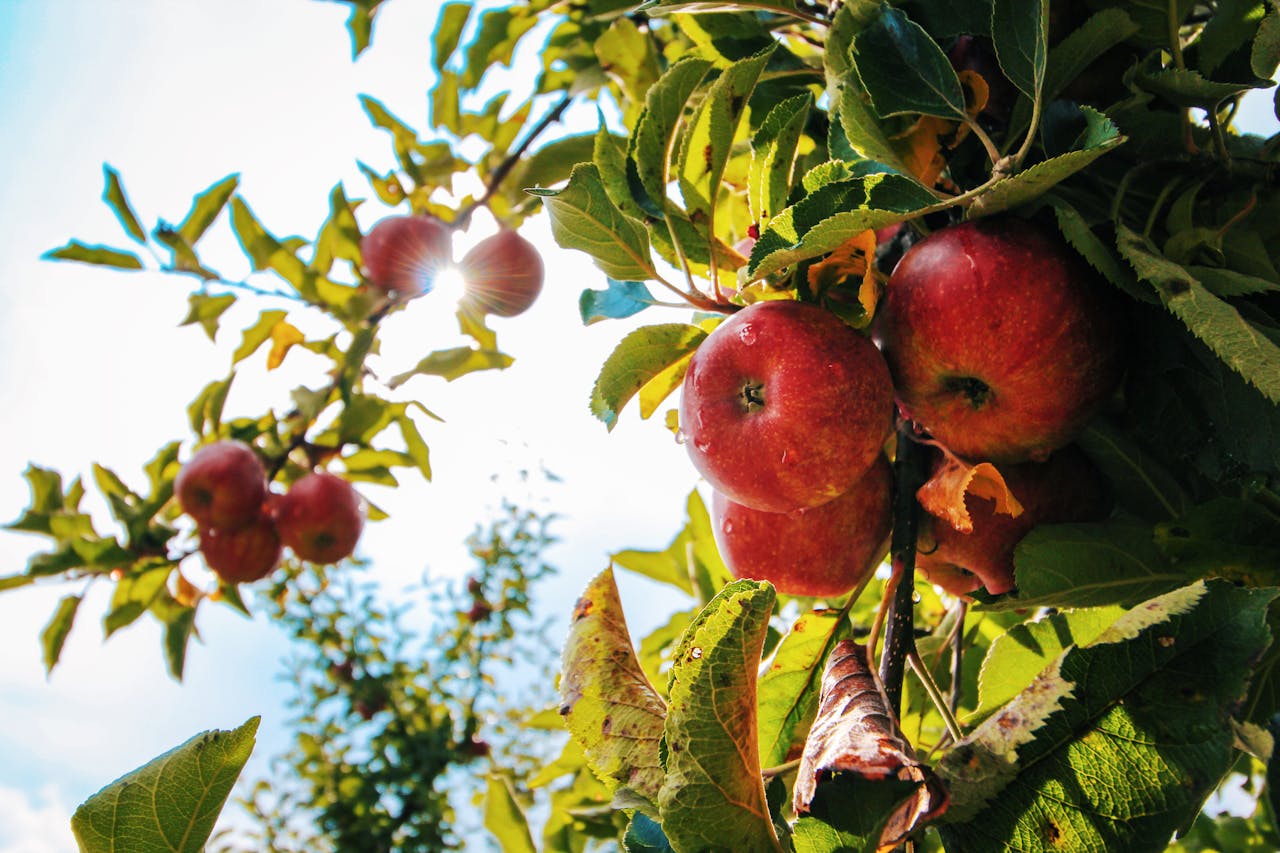
Image: Photo by Tom Swinnen / Pexels
As early autumn approaches, gardeners face an important transition period, preparing their outdoor spaces and indoor plants for the cooler months ahead. This season offers a key opportunity to divide perennials, plant bulbs, and manage the growth of both ornamentals and edibles. Lawns and meadows require attention as the cutting height is gradually raised, while vegetables and fruits must be harvested and stored before frost sets in. Additionally, houseplants and greenhouse crops enter a slower growth phase, requiring adjustments in care and maintenance. With thoughtful planning and preparation, early autumn lays the groundwork for protecting plants in the winter ready for next spring.
Ornamentals (outdoors)
- Start to lift and divide herbaceous perennials, discarding old central crowns and any parts showing disease. A01
- Continue watering newly-planted or transplanted plants to help them establish before winter.
- Start planting spring-flowering bulbs, but leave tulips until later, especially on heavy soils (in case of frost damage to the emerging flower bud).
- Remove waterlily leaves as they die off and start to cut back vigorous marginal plants. Thin out submerged oxygenating plants to prevent overcrowding and allow more light into the water.
- Continue to deadhead late-flowering plants, such as Dahlias, to extend the flowering season.
- Have some fleece or other covering material handy as a precaution against an early frost. This can be removed during the day and applied again overnight when frost is forecast.
Lawns and meadows
- Continue to mow the lawn as required, raising the cutting height gradually as temperatures and light levels fall.
- Prepare the area for a new lawn to seed or turf by raking the soil to a fine tilth and ensuring all perennial weeds have been removed.
Vegetables
- Lift and store remaining potatoes to avoid potential slug or rodent damage. Use any diseased or damaged tubers, they should not be stored.
- Plant out spring cabbage plants and water well to aid establishment.
- Start sowing winter lettuce, winter spinach and turnips for use as leafy turnip tops.
- Dig up tomato plants. Put the tops into the compost bin and place the fruits in a sheltered place while any green fruit ripens. Alternatively, put them in a paper bag with a ripe banana to ripen.
- Consider covering leafy vegetables with netting to avoid bird damage. A02
Fruit
- Continue harvesting autumn fruiting raspberries.
- Plant out strawberry plants so that they can establish before winter sets in - planting now will provide some fruit next summer.
- Check early and mid-season apples and pears regularly for ripeness. Remove any fruits showing signs of brown rot fungus and/or codling moth damage.
- Harvest any remaining blueberries.
Ornamentals (indoors)
- Gradually reduce the amount of water given to house plants as their growth rate slows down. The exception being winter-flowering plants like Christmas cactus, which need increased water and food.
- Repot Hippeastrum (amaryllis) plants and start to feed on a regular basis.
- Place poinsettia plants in the dark overnight (14 hours darkness each night for a period of 8 weeks) to encourage the leaves (bracts) to gradually change colour.
Glasshouse (including conservatories and polythene structures)
- Any remaining shading material/paint should be removed to make the most of reduce light levels.
- Start potting spring bulbs intended for forcing.
- Shorter days and cooler nights start to have a significant effect on growth. Ventilate less frequently. Remove most of the lower leaves on tomato plants to encourage the fruits to ripen.
Propagation
- Sever rooted layers of border carnations that were pegged down in July and plant them out in their final planting positions. Top dress old plants with compost or loam, so they don’t become leggy.
- Check softwood and semi-ripe cuttings and pot on those which have rooted to allow them to establish before the short days of winter. ]
- Take cuttings of evergreens, such as lavender, rosemary and sage. Make them 15-23cm (6-9in) long, with a heel of the old wood attached if possible. Insert them in a pot or frame for rooting in readiness for planting out next spring.
Maintenance
- Net ponds and water features before leaf fall, particularly if you have fish.
- Watch for powdery mildew if the soil/compost is dry.