
Essential Gardening Jobs for Mid Autumn

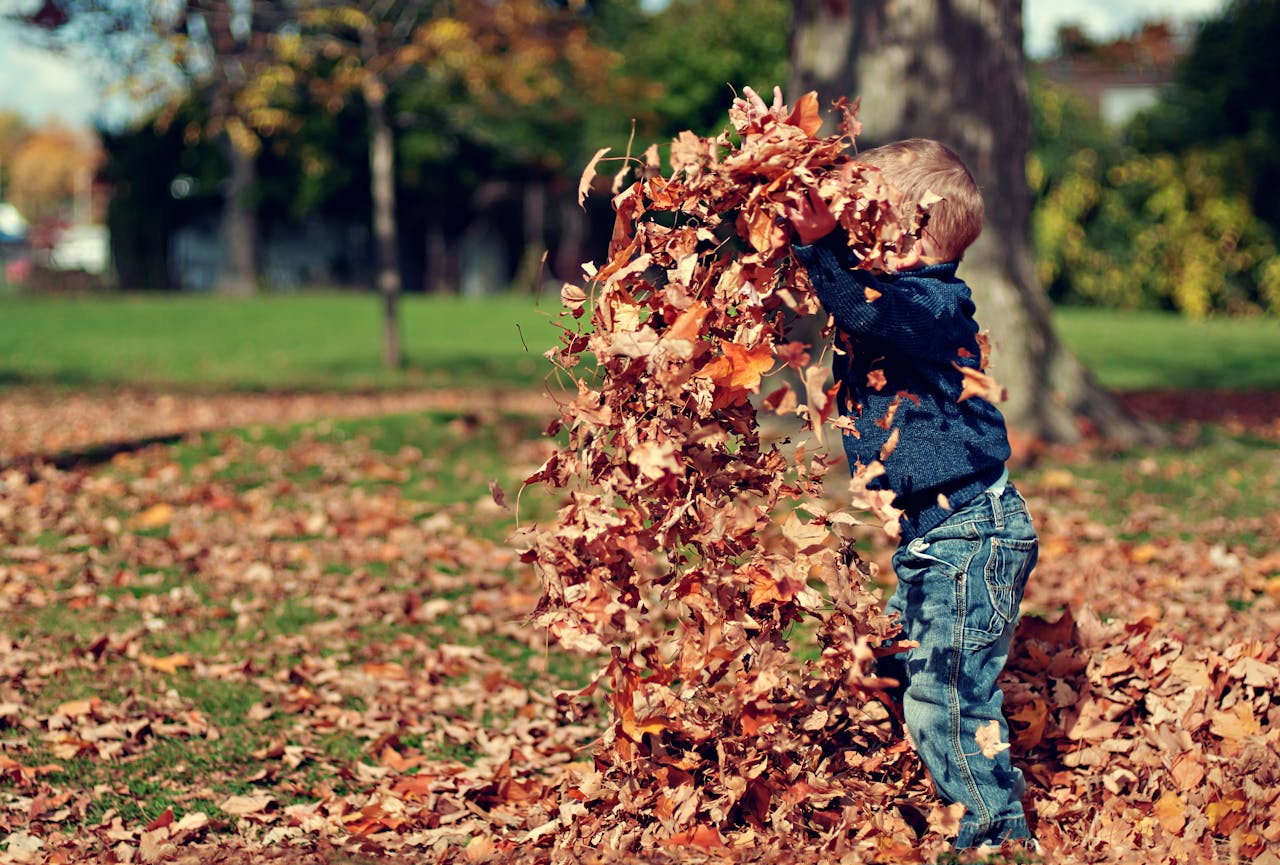
Image: Scott Webb / Pexels
As mid-autumn takes hold, gardeners focus on essential tasks to protect their landscapes and set the stage for next spring's growth. Ornamental plants require attention, with climbing roses being pruned and secured to prevent wind damage, and herbaceous perennials lifted and divided to refresh their growth. It's also the perfect time to start planting bare-root trees, shrubs, and roses, as they establish better on heavier soils during this season. Lawns, often compacted from summer use, benefit from aeration and scarifying before the final mow, while wildflower seeds can be sown to ensure a vibrant display next year. In the vegetable garden, root crops are harvested and stored to avoid frost damage, and spring cabbages are planted under protective netting. Glasshouses and greenhouses are cleaned and insulated, while tender perennials are brought inside for the winter. By taking these steps in mid-autumn, you can not only maintain the health of your garden but also prepare for a flourishing start when the warm weather returns.
Ornamentals (outdoors)
- Prune and tie-in climbing roses to save wind damage.
- Check ties and supports for trees, established climbers and wall shrubs to make sure they are secure and not over-tight.
- Continue to lift and divide herbaceous perennials, discarding old central crowns and any diseased parts.
- Start planting bare-root (sold without soil or compost) trees, shrubs and roses as they arrive, also root-wrapped evergreen and conifers. Bare root plants establish better on heavier soils than container grown plants.
- Start to apply slow-acting fertilisers. Whichever fertiliser you use, scatter it on the surface then incorporate it into the soil’s surface. It will be washed down towards the root zone by winter rain, ready for use next spring when the plant needs it most.
- Dig trenches for sweet peas, incorporating a layer of well-rotted manure or compost into the base of the trench (this is important for moisture retention in the growing season and helps reduce the chance of powdery mildew.
- Pot up lily-of-the-valley crowns, placed 10-15cm apart in shallow pots just covering the crown and place them in a semi-shaded position. This will force the plants into early growth and flowering for early displays indoors in late winter and early spring next year.
- Sow seed of sweet peas in pots and keep in a cold frame. These seedlings should be ready for planting out into prepared trenches the following early spring.
- Raise containers onto bricks or pot feet to allow better drainage as wet weather increases.
Lawns and Meadows
- Continue to remove fallen leaves from the lawn.
- Lawns which have had heavy use through the summer often have a compacted soil surface. If required, scarify and aerate the lawn before applying any autumn feed, weed and moss treatments.
- In milder weather, continue to mow the lawn, as required, at a slightly raised cutting height.
- Fill in hollows and reduce any humps in lawns and carry out deep spiking if required (especially on compacted areas), using a suitable fork or aerating machine.
- Renew worn patches with new turf or pre germinated grass seed.
- Sow wildflower/grass mixtures onto prepared sites (many wildflower species prefer a period of cold in order to flower well the following year).
Vegetables
- Plant out spring vegetables, such as spring cabbage, but provide protective bird netting as required.
- Continue to lift and store remaining root vegetables growing on heavier, wet soils to reduce potential slug and frost damage. On lighter, free-draining soils, some root vegetables such as beetroot, carrots and main crop potatoes can be covered with a layer of straw as frost protection.
- Lift and store sweet potatoes in a dark, frost free place.
- Harvest marrows and leave them in a warm, sheltered position to allow the skins to ‘cure’.
- Collect the last of the courgettes grown outdoors and place the plant debris in the compost bin.
- Harvest French and runner beans before pulling up the plants, the roots, leaves and stems can be dug into the soil to provide a natural source of nitrogen for the following crop.
Fruit
- Harvest apples, pears and grapes and store until needed. Any fruits which are marked or damaged should be used immediately rather than being stored.
- Lift and divide rhubarb crowns before replanting the younger, healthier outer sections of the crowns and discarding the rest. This is especially important on plants that produced flowers.
- Harvest blackberries, loganberries and the last of the plums and damsons.
- Prune damaged shoots and branches on plums, damsons and gages immediately after harvest and treat any cuts with a wound paint to reduce the risk of bacterial canker infection.
- Harvest Kiwi fruits to avoid the risk of frost damage.
Glasshouse
- (including conservatories and polythene structures).
- After removing the last of the protected crops, such as tomatoes, consider fumigating greenhouses and polythene structures. (This is also a good way to detect any holes or loose fitting doors and windows by watching where the smoke is escaping).
- While the greenhouse is empty, insulate the inside with bubble plastic, making sure the bubbles are facing the glass.
- Start to bring in tender perennials, such as begonias, cannas, fuchsias and pelargoniums. They should be gradually dried off and kept in a cool, dry, frost free place ready for the following spring.
- Ornamentals (indoors) Gradually reduce the amount of water given to house plants as their growth rate slows down. The exceptions are plants that flower around Christmas, which need regular watering.
- Pot up prepared hyacinths and hippeastrum for Christmas and new year displays.
- Avoid feeding indoor plants as their growth rate slows down, to prevent soft sappy growth that can be prone to disease at this time of year. The exceptions are plants that flower around Christmas, like cyclamen and Christmas cactus.
Propagation
- Start taking hardwood cuttings or ornamentals, such as Forsythia, Ribes, roses and Salix. Also soft fruit plants, such as black, red and white currants, gooseberry and jostaberry.
- Lift rooted plants taken as hardwood cuttings last previous year.
Maintenance
- Give deciduous hedges a final trimming now - if it is done sooner, there is a risk of new growth developing which can be damaged by frost.
- Remove any plants or sections of plants with visible signs of coral spot fungus.