
Royal Horticultural Society shares plants for birds as feeding advice changes
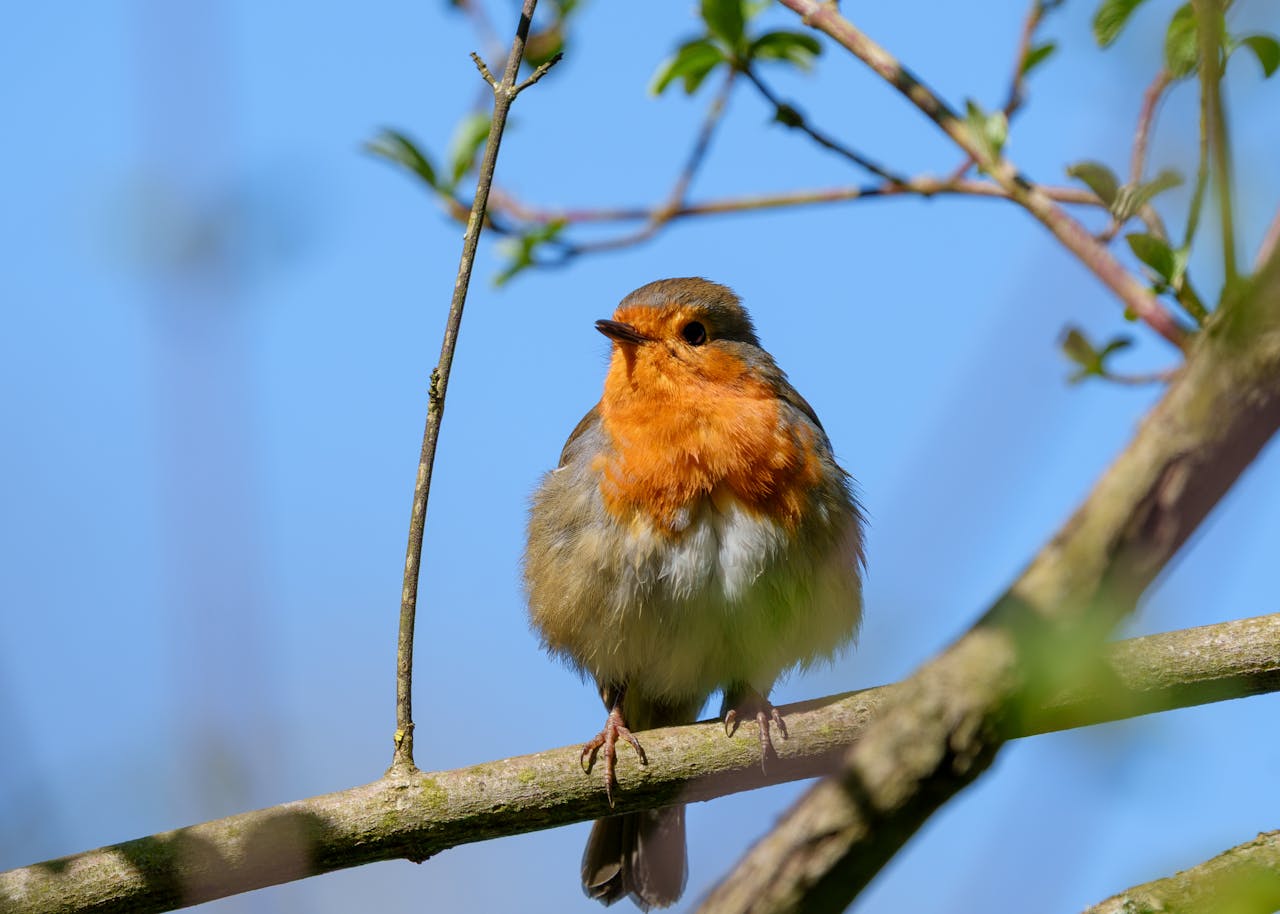
Image: Pexels / Masood Aslami
The Royal Horticultural Society has shared its recommendations on plants for gardeners to grow in support of birds, as new guidance on supplementary feeding in the summer and autumn months is published.
The RSPB advises not feeding supplementary seed mixes and peanuts to birds during the months of May to October when the risk of disease being spread via feeders is higher. As such the RHS will no longer sell seed mixes and peanuts during this period in its retail stores or at its shows and will advise gardeners to store any purchased for use later in the year.
With more than 140 species of birds to be found either nesting in or visiting the UK’s gardens, one of the most effective ways to support birds is to grow plants that serve as a natural food source. In late spring and summer, when supplementary feeding of peanuts and seed is not recommended, plants including fieldscabious, dog rose, and lavender attract insects and other invertebrates, providing the primary food source for birds during warmer months.
Meanwhile colourful and seed-rich summer favourites such as sunflowers, cornflowers and angelica can help support birds into the colder months, provided their seedheads are left standing. The additional benefit of leaving seedheads in place is that invertebrates overwintering in the plants’ stems are a food source for birds during the winter and into the following spring. Additionally, keeping some areas of grass longer and others shorter is advised; for example, dandelion seedheads provide food for birds such as goldfinches while shorter grass areas allow blackbirds, thrushes and starlings to search for worms and other invertebrates.
Popular berrying shrubs and trees such as hawthorn, elder, ivy, viburnum, Rosa rugosa, and honeysuckle offer much-needed nourishment – and visual interest - during autumn and winter months.
Providing water is equally essential, giving birds a safe place to drink and bathe and helping them stay healthy year-round. The safest way to do this is with a garden pond. For gardeners without a pond, water can be provided for birds in shallow containers such as a bird bath, so long as the water is changed daily with fresh tap water and cleaned out at least once a week. Alongside this, dense shrubs, hedges and mature trees offer valuable shelter and nesting sites, while nest boxes can support species that struggle to find natural cavities, including swifts and sparrows.
Among the harmful pathogens spread at bird feeders and bird baths is the disease trichomonosis, caused by a parasite which has led to serious declines in greenfinch and chaffinch populations and is now thought to be causing a rapid decline amongst bullfinches. The RSPB has therefore updated its guidance on supplementary feeding, avoiding bird feeders with flat surfaces, and only putting out water if you can change it every day. These revised guidelines are reflected across RHS retail, shows and gardening advice.