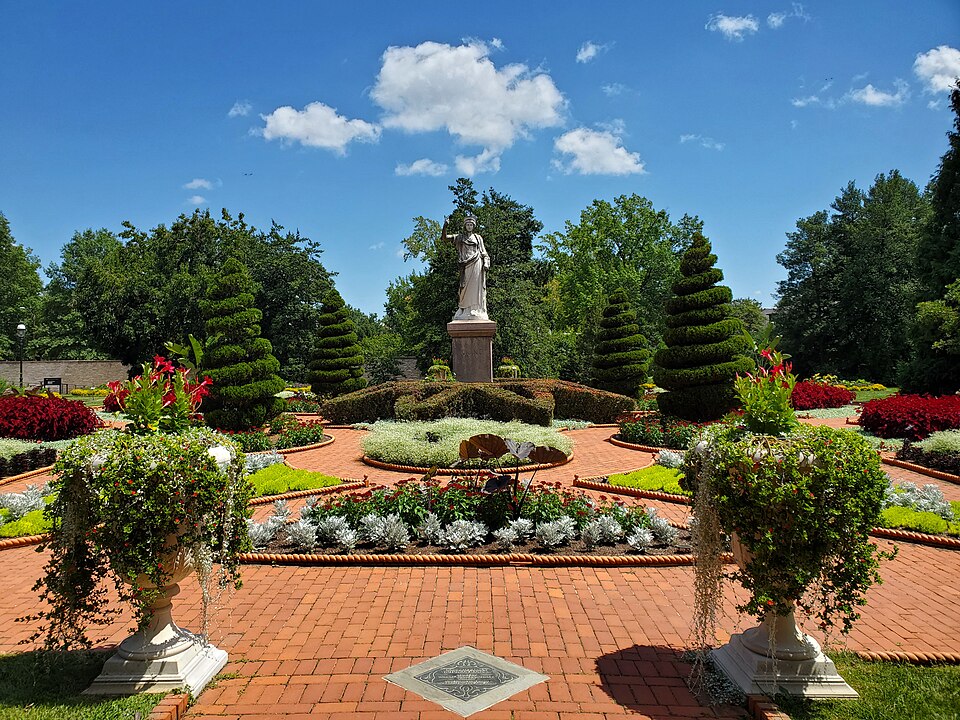
Missouri Botanical Garden
Missouri Botanical Garden is one of the oldest and most prestigious botanical institutions in the United States, located in St. Louis, Missouri. Internationally respected for its scientific research, historic landscapes, and diverse plant collections, it is widely regarded as a global leader in horticulture, conservation, and botanical education.
History and Design
The garden was founded in 1859 by philanthropist and businessman Henry Shaw, who envisioned a space dedicated to scientific study, public enjoyment, and the advancement of botanical knowledge. Inspired by European botanical gardens he had visited, Shaw combined formal Victorian-era design with expansive plant collections. Over time, the garden expanded into a major research institution while preserving its historic landscape character.
Layout and Features
The Missouri Botanical Garden covers approximately 79 acres (32 hectares) and is organised into themed sections that showcase different horticultural styles, ecosystems, and plant families. The layout blends formal gardens, naturalistic landscapes, and specialised collections.
Historic District
The garden’s historic core includes several original 19th-century structures, such as the iconic Climatron conservatory—the first geodesic dome greenhouse in the world. This area also features traditional Victorian-style landscaping, fountains, and ornamental beds reflecting the garden’s early design heritage.
Japanese Garden
One of the garden’s most celebrated sections is the Japanese Garden, known as Seiwa-en. Spanning 14 acres, it is among the largest Japanese strolling gardens in North America and features lakes, bridges, lanterns, and carefully arranged plantings that symbolise harmony and tranquility.
Conservatories and Indoor Displays
The garden maintains multiple indoor conservatories that recreate distinct climates, including tropical rainforests, desert habitats, and seasonal floral showcases. These controlled environments allow visitors to experience plant life from around the world year-round.
Thematic Gardens
Numerous specialty gardens highlight particular plant groups or design concepts. These include rose gardens, herb gardens, children’s gardens, and demonstration landscapes that illustrate sustainable gardening techniques and horticultural innovations.
Landscaping and Plant Collections
The Missouri Botanical Garden is home to vast plant collections representing thousands of species from across the globe. Rare and endangered plants are cultivated alongside ornamental displays, and careful curation ensures seasonal interest through blooms, foliage, and fruiting plants throughout the year.
Scientific and Cultural Significance
Beyond its beauty, the garden is internationally recognised for its botanical research and conservation work. It houses one of the world’s largest herbaria and operates global programs dedicated to plant science, biodiversity preservation, and environmental education. Its scientific contributions have made it a leading authority in taxonomy and plant systematics.
Visitor Facilities
The garden offers well-maintained walking paths, educational exhibits, guided tours, cafés, and gift shops. It also hosts seasonal festivals, plant shows, lectures, and family-friendly events, making it both a cultural attraction and a centre for learning.
The Missouri Botanical Garden stands as a landmark of botanical excellence and historical legacy. Through its rich plant collections, pioneering research, and beautifully designed landscapes, it provides visitors with an inspiring journey into the diversity, science, and artistry of the plant world.