
Ten Gardening Jobs for April

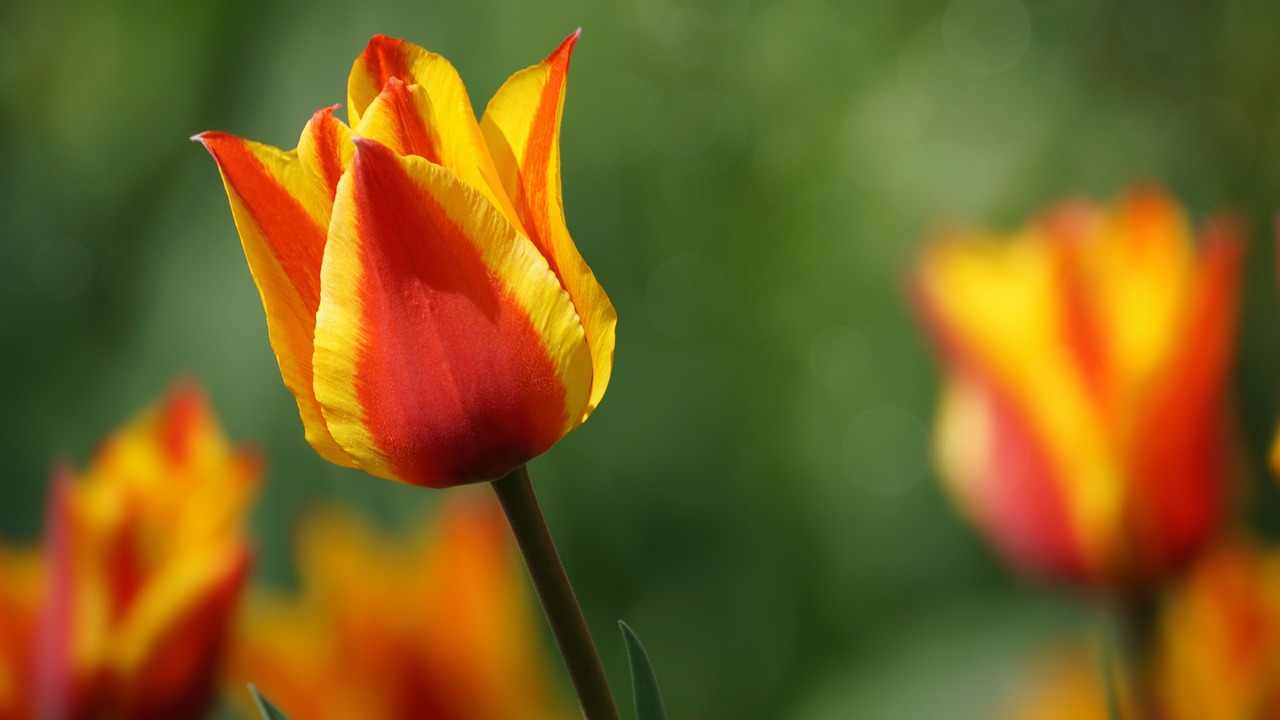
Image: Pexels / 165106
Chit and Plant Early Potatoes
Early cropping cultivars of potatoes can be chitted (if not done already) and planted out either in the soil or in containers. Be prepared to earth up young shoots as they emerge in order to prevent them from becoming damaged by late frosts.
Protect New Spring Shoots from Slugs
The soil is still too cold to use biological control, but barriers such as Slug Gone barrier from Vitax or slug pellets based on Aluminium Sulphamate can be used. Alternatively, apply a biological control like Slug Killer Nematodes - Phasmarhabditis californica. Starting early will help control the slug population before it becomes too plentiful.
Plant Flowering Bulbs
Bulbs that were forced into flower indoors earlier in the year can be transplanted out into the garden. Remove the dead and dying flowers, but let the leaves die down slowly as they are still manufacturing food. Feed the bulbs with a high-potash feed such as Phostrogen or Sulphate of Potash to encourage flower formation for next year.
Lift and Divide Perennials
Herbaceous perennials that were not divided in the autumn can be divided now. Discard any old or diseased parts of the clump and split up the younger sections (around the edge of the clump) into small sections before transplanting them. Avoid planting them too deeply, or they will grow but not produce flowers, and water them well if the weather is dry.
Top Dress Plants in Containers
Top dress containers with fresh compost or a controlled-release fertilizer just before the surge of spring growth begins. Removing the top layer of compost (up to 8 centimeters or 3 inches deep) should take away most of the weeds and weed seeds found in this layer. Replace this layer with either John Innes loam-based compost or multipurpose compost to provide the plants with sufficient feed for most of the growing season. Doing this annually often reduces the need to constantly repot plants into larger containers.
Lawn Care
Grass cutting can begin as the weather permits and the grass begins to grow, which should be when the soil temperature is about 3-5°C. Only remove the top one-third of the grass blades to stimulate new growth, and consider moss killing, weed, and feed dressings towards the end of the month. If birds are showing a lot of interest in the lawn, consider applying Leatherjacket killer nematodes - Steinernema feltiae, to control Leatherjackets without harming the birds.
Spring Prune
Cut back Cornus (dogwood) and Salix (willow) that are grown for their colorful winter stems, and feed after pruning with a general fertilizer such as Growmore at about 4 ounces per square yard or 100 grams per square meter to boost growth. Other shrubs that can be pruned hard now to encourage displays of large, attractive foliage later include Sambucus (gold and purple-leaved elderberry) and Cotinus (purple and yellow-leaved smoke bush).
Weed Control
Many weeds come back into growth, especially perennial weeds that have food stored below ground. These can be treated with systemic weedkillers such as WeedFree Plus from Neudorff, Roundup, or Resolva Pro from Westland. Annual weeds can be removed by hand or controlled by hoeing as they emerge. Consider mulching weed-free soil with a layer of organic material at least 8 centimeters or 3 inches deep to block out light and reduce weed seed germination.
Take Dahlia Cuttings
Start the dahlia tubers in pots of moist multipurpose compost to produce cuttings and provide extra plants. Take the cuttings when they are about 8 centimeters (3 inches) long (remove them with a sharp knife) and insert them around the edges of small pots filled with sandy compost. No hormone rooting substance is usually required.
Ventilate on Warm Days
A change of air is important for plants growing in conservatories, glasshouses, and polythene tunnels, so doors and vents should be opened for at least one hour on calm, warm days. Provide screens to cover low ventilators or doorways to prevent young plants from getting a chill of cold air. Ideally, ventilate before midday before the air temperatures start to cool.