
Top 10 Bulbs & Corms for Late Spring

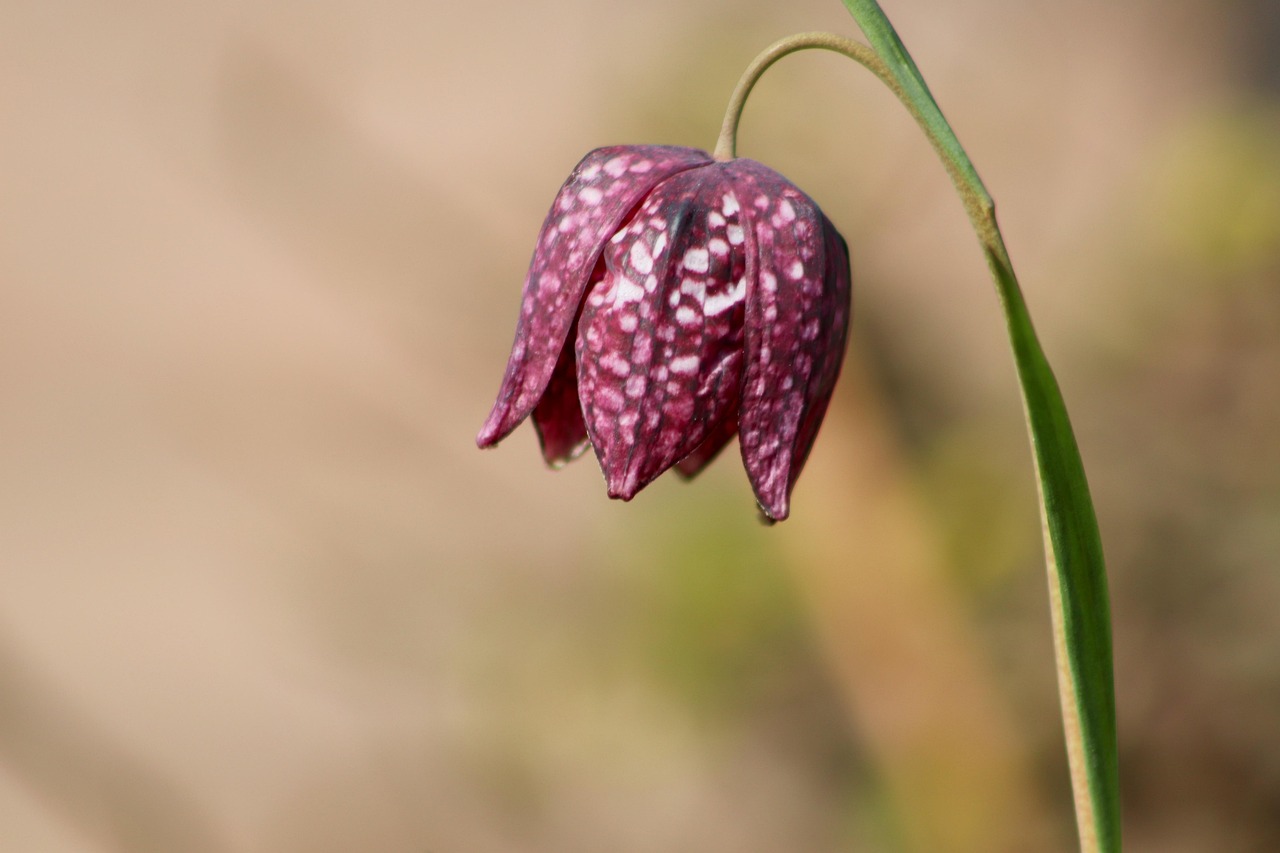
Image: Image by Annette Meyer from Pixabay
As the earliest flowering bulbs and corms begin to fade, the next batch will be coming up to take over. Tulips and all forms of Narcissus are hugely popular for this time of year and provide a welcome splash of colour, but there are many other plants that can accompany them. Like all bulbs and corms, these plants can be grown in pots or soil. You can grow them in a pot for the first year and enjoy them near a window before planting them out for future years. It may help to position the pot of flowers in the garden to help decide their final position.
Allium
There is a wide range of ornamental onions that flower in spring. They have globe-shaped flower heads of varying sizes, with a star-burst of small flowers in white and shades of purple, blue or pink. They prefer a hot, sunny spot and dislike being wet. Bees and other pollinators love them and the flower heads can be left as a feature or cut and dried for use indoors.
Anemone
From the tiny blue, pink or white Anemone blanda, which is ideal in dappled shade under other plants, to the large showy A. coronaria (especially the De Caen Group) which is perfect for pots or the front of a sunny border, there is an Anemone for almost every spot except a wet one. Soak the corms overnight to rehydrate them before planting for a better result.
Dutch iris
Iris x hollandica flowers in late spring, producing flowers in white or shades of blue or yellow. These reach about 60cm (24in) tall. These plants prefer full sun and a well-drained soil, preferably tending towards acidic. They are good in containers and may be cut for indoors, but are short-lived, so you will need to replace them.
Fritillaria
For spring-flowering, there are two main types of Fritillaria: the snake’s head Fritillaria meleagris and the tall, dramatic F. Imperialis. The dainty snake’s head is ideal for a border or naturalising in grass. It has a nodding bell-shaped flower, patterned like a chequerboard in dark red and white or cream and white. The “crown imperial” has a tall flower stem with a cluster of bell-shaped orange or yellow flowers at the top.
Hyacinthus
These are probably the most fragrant bulbs around and they are perfect for growing in pots. Buy "prepared" bulbs in autumn for forcing indoors, as these have been given a winter chilling to make them flower early. Pots of bulbs can be grown outside to have indoors later or they can be situated near a door. All can be planted out for future years and, although they are not guaranteed to last very long, they are lovely while they last.
Leucojum
Often mistaken for a snowdrop, the “spring snowflake” is taller, at 30cm (12in) and has a larger flower. Plant in a moist soil in full sun for the best results. They are attractive flowers for the border or naturalising in grass and mix well with low-growing ground cover plants.
Narcissus
The family of daffodils is vast and encompasses every size from miniature to tall, with a wide range of flower shapes based around a trumpet surrounded by six tepals. Yellow, white, peach and orange shades are well represented in various combinations. These reliable plants are a must for any spring garden and will grow in all but the wettest soil.
Nectaroscordum siculum
- Nectaroscordum siculum
- Sometimes called Allium siculum, this highly attractive member of the onion family is known as the ‘honey lily”. It produces a tall flower stem with a umbrella of hanging red-and-cream flowers that smell strongly of honey. It is a delight for pots or borders and always a talking point when placed near a door.
Ranunculus
- Ranunculus
- There are many members of the buttercup family that are good plants for the garden, but for spring colour, look for packs of corms with names like Peony Mixed or individual colours like ‘Elegance’. There has been a lot of breeding in recent years to improve the range and these petal-packed flowers are stunning. Best grown in pots in a sheltered spot.
Tulips
- Tulips
- Like daffodils, tulips come in a vast range of colours, shaped and sizes so the choice is personal. Tall ones mix well with other spring bedding, small ones are ideal in pots, rock gardens or the front of a border. The more ornamental the flower, the shorter-lived it is likely to be, so these are best treated as annual bedding and if they return in another year, it is a bonus.