
Top 10 Trees for Stem Colour

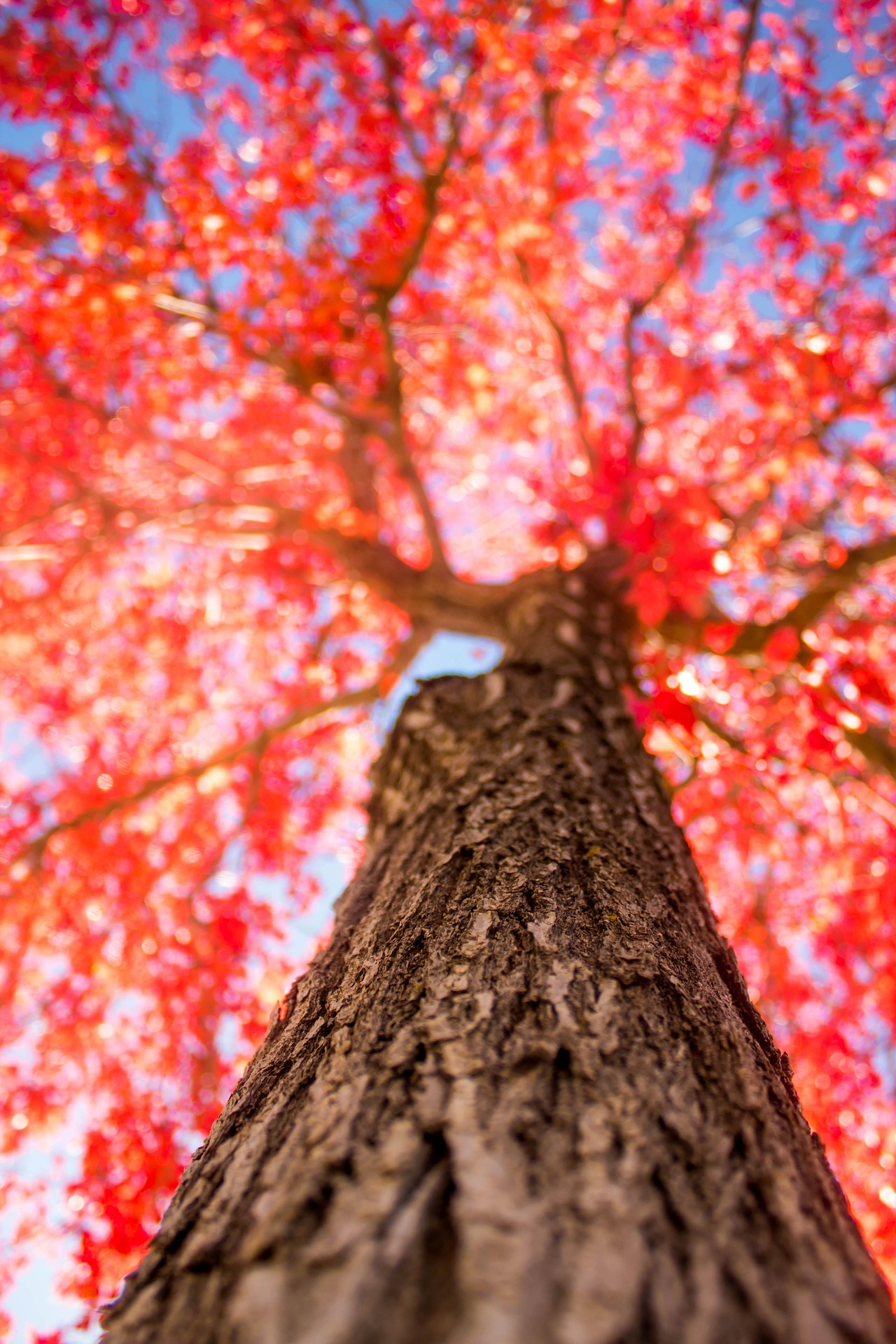
Image: Image by DistantSpace from Pixabay
Trees make a valuable contribution to any garden, but if you are short of space, you need to choose one that will earn its keep by having more than one season of interest. Colourful, patterned or peeling bark gives added interest in winter and early spring when the leaves have gone.
Dimensions are given for the unpruned size after 20 years, unless stated otherwise.
Acer davidii 'Viper'
7m high x 3m across. Bark has green and silvery-white stripes like snake skin. The leaves are flushed bronze in spring and turn to yellow and orange in autumn. Small yellow flowers in late spring are followed by red-brown winged seeds. Prefers a fertile moist, but well-drained, neutral to acid soil.
Acer griseum
10m high x 6m wide. Commonly known as the “paperbark maple” this attractive tree has leaves divided into three segments, with a downy and whitish covering on the underside. In autumn, they turn brilliant red and orange before falling. The peeling papery bark curls back to reveal the young chestnut-brown bark beneath.
Acer palmatum 'Sango-kaku'
6m high x 3m across. This plant is known as the “coral-bark” maple due to the outstanding colour of the stems and young shoots. It can grow as a spreading shrub or a small tree. The leaves open yellow, tinted pink, mature to green and finally turn golden yellow in autumn before they fall. Prefers full sun or part shade and a slightly sheltered position for the best colour.
Acer pensylvanicum 'Erythrocladum'
7m high x 5m across. This “snake-bark” maple is noted for its red and white striped bark and bright pink young shoots. The green summer foliage turns butter-yellow in autumn before falling. This tree is fairly slow growing, making it an ideal centrepiece for smaller gardens, but it makes a better specimen as a multi-stemmed plant.
Acer 'White Tigress'
8m high x 5m across. This “snake-bark” maple has striking green and white stripes on the trunk and lower branches. It is an excellent ornamental tree with a vase-shaped crown and is especially attractive in winter. The large, mid-green leaves turn bright yellow in autumn, often with orange tints. It prefers well-drained, fertile soil and partial shade.
Arbutus unedo 'Compacta'
2.5m high x 2.5m across. This is a smaller form of the “strawberry tree” that is better suited to smaller gardens. It has rich, flaking, copper-brown bark and evergreen leaves. In autumn, it produces urn-shaped flowers at the same time as red, strawberry-like fruit that set the previous year. Prefers a fertile, well-drained soil in full sun and tolerates coastal exposure.
Betula utilis 'Jacquemontii'
6m high x 4m across. Known as the “Himalayan white birch”, this white-stemmed birch makes a superb specimen tree. The young shoots have coppery-brown bark which eventually peels to leave a distinctive white bark. The leaves dark green leaves turn golden-yellow in the autumn before falling. Prefers a well-drained, fertile soil and full sun. Also grows well as a multi-stemmed tree.
Eucalyptus pauciflora niphophila
6m high x 5m across. Commonly called “snow gum” this is a small, evergreen tree grown for its flaking bark, which exposes cream, grey and green patches during summer. The leaves are long and grey-green with a leathery texture. In late spring and early summer, white flowers are produced. Prefers neutral to slightly acid, well-drained soil in full sun. Responds well to hard pruning.
Luma apiculata
8m high x 6m across. Commonly known as the “orange-bark myrtle” this evergreen, bushy shrub or tree has orange-brown, peeling bark on the trunk and main stems and glossy, dark-green leaves. In summer small white flowers are produced, followed by edible purple berries. This plant can withstand temperatures down to -5°C (23°F), but may be damaged or killed in cold winters.
Prunus serrula
10m high x 10m across. The “Tibetan cherry” is a deciduous, early flowering tree with clusters of small white flowers in spring. The mid-green leaves turn an attractive butter yellow before falling in autumn. It is grown for its shining, coppery-brown bark, which peels with age. Prefers a moist, well-drained soil in full sun or part shade.