
How to Keep Your Lawn Green and Healthy During a Summer Heatwave
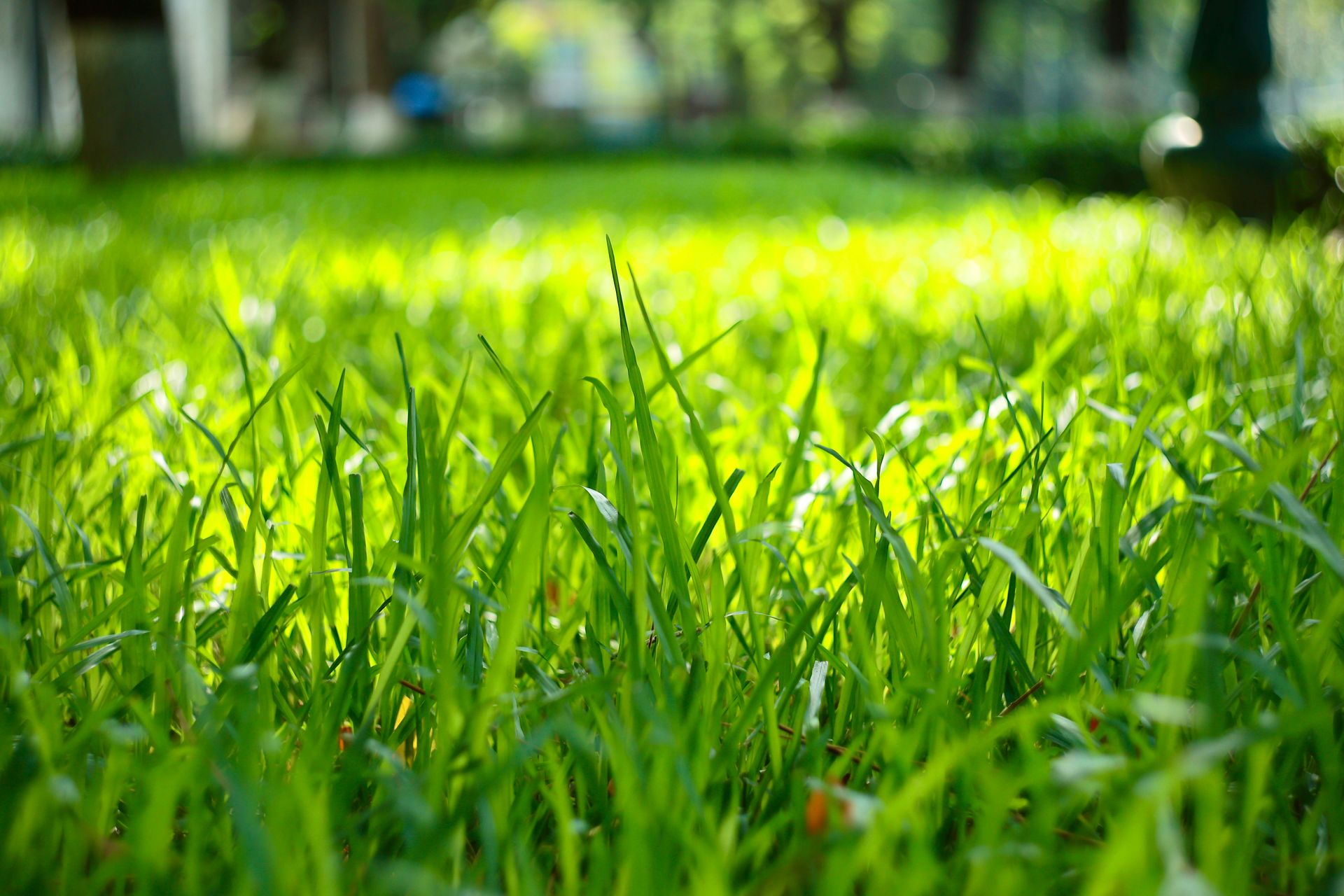
Image: Pexels / Nguyen Tien Thinh
The arrival of warm weather and sunshine means more time spent enjoying the garden. However, prolonged heatwaves can quickly take a toll on your grass, leaving it looking tired, pale, and lacklustre.
To help you revive and maintain your grass during the hot season—leaving you with more time to fire up the BBQ and enjoy garden get-togethers—the lawn care experts at Envii have shared a few simple, essential tips for summer turf maintenance.
1. Smart Watering
Summer is the most critical time of year for hydration, but timing is everything. Water your lawn early in the morning or late in the evening to minimize water loss from evaporation. Typically, a lawn needs about 1 to 1.5 inches of water per week, whether from rainfall or irrigation (a simple rain gauge can help you monitor this). Remember that overwatering can be just as harmful as underwatering, so always adjust your routine based on local weather and rainfall.
2. Adjust Your Mowing Technique
How you mow in the summer is crucial to the grass's survival. Raise your mower blades to keep the grass taller—around 3 inches. Taller grass shades the soil, reduces water evaporation, and encourages deeper root growth. While you should mow regularly, a good rule of thumb is never to remove more than one-third of the grass blade length at one time. For an eco-friendly touch, consider leaving a small patch of grass entirely untouched to create a habitat for local wildlife.
3. Feed with Non-Scorch Treatments
Nutrients are vital during the summer; feeding your lawn not only improves its appearance but also acts as a stress support system against extreme weather. To avoid the risk of burning or scorching your grass in the heat, opt for organic, slow-release granular feeds or liquid seaweed formulas. Because these are non-synthetic, they lack the harsh mineral salts that can damage turf in high temperatures, ensuring your lawn gets the nutrients it needs safely.
4. Keep Soil Breathing
Compacted soil prevents roots from absorbing water and nutrients efficiently. If your lawn receives heavy foot traffic, light aeration can help relieve compaction and allow the roots to breathe, while dethatching removes accumulated organic matter that might otherwise smother the grass. While heavy aeration and dethatching are ideally suited for autumn, doing a light tidy-up during the summer can provide a much-needed boost if your soil is particularly hard or thatched.