
Top 10 Plants for a North-facing Position

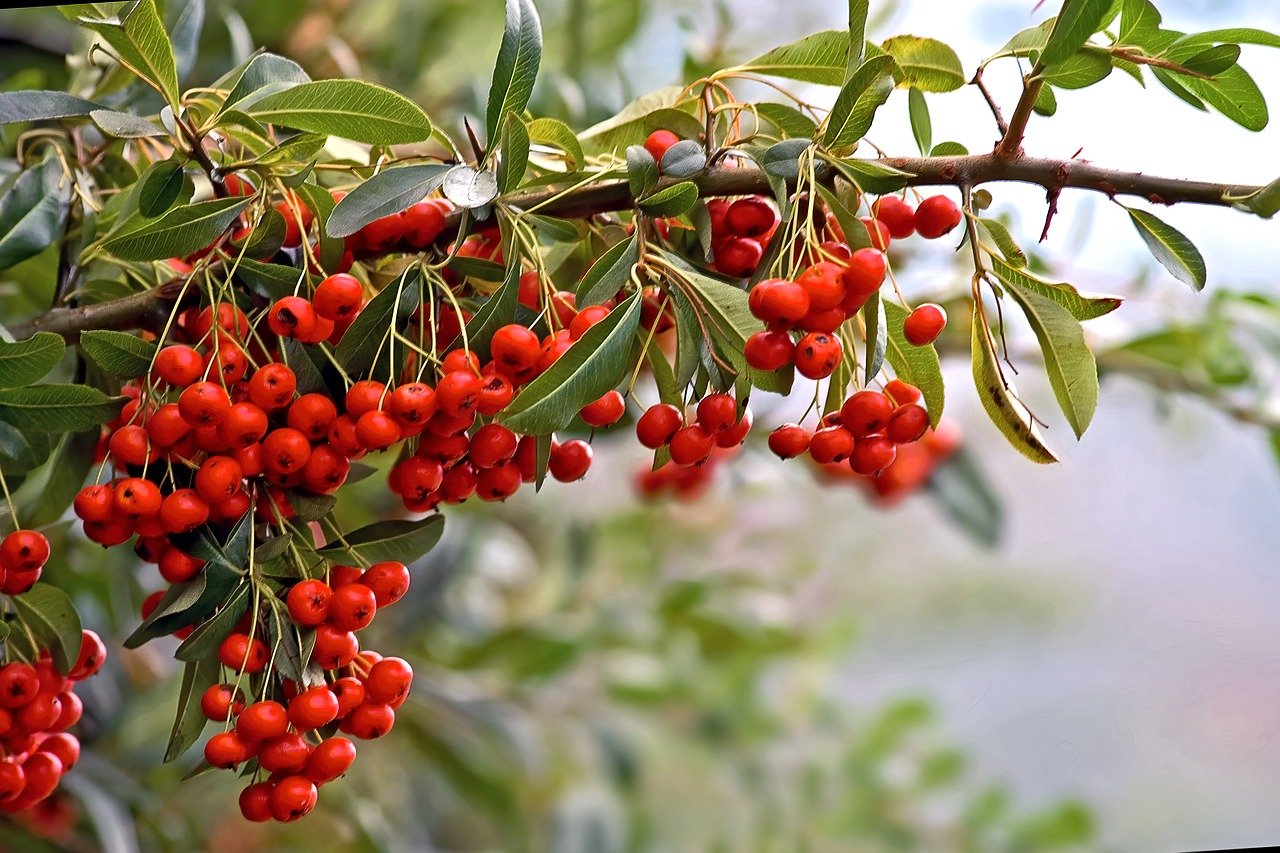
Image: Image by Sergio Cerrato - Italia from Pixabay
A north-facing border gets the least light of any position in the garden so it can seem challenging, but there are plenty of colourful and interesting plants that will grow well in this position. Before choosing a plant, consider the conditions in the border. Some plants can tolerate the low light, but not if it is accompanied by strong, cold wind. Other plants may struggle with erratic moisture levels in the planting area. If it is either very dry or wet, you may be better off planting in containers, so you can keep a closer eye on the water level.
Clematis
There are several forms of Clematis that will grow in a damp, shady spot, including the large-flowered ‘Nelly Moser’ for summer colour, ‘Markham’s Pink’ or ‘Frances Rivis’ for the spring and ‘Gypsy Queen’ or ‘Hagley Hybrid’ for autumn.
Choisya ternata
This reliable, low-maintenance shrub provides colour throughout the year and produces sweetly-fragrant white flowers in spring and summer. It needs little attention and responds well to trimming if necessary. Note that only the green form is suitable for shade, the golden forms will lose their colour.
Garrya elliptica
This large evergreen shrub is ideal for training against a wall or fence, as it can become untidy as it grows if left alone. Clearing the lower stems can produce an attractive small tree. It is at its best in winter, when long catkins develop into chains with golden anthers. Look for a form such as ‘James Roof’ for the best display.
Hydrangea petiolaris
The deciduous “climbing hydrangea” is a self-supporting shrub that produces aerial roots that cling to walls or fences. It masses of white flowers in summer on the previous year’s shoots, so do any pruning immediately after flowering to allow maximum time for new shoots to develop flowers for next year.
Itea ilicifolia
The “holly-leaved sweet spire” is an evergreen shrub with glossy evergreen leaves that resemble holly. In mid-summer, it produces long tails of greenish-white flowers that smell strongly of honey and are very attractive to insects. It prefers shelter from very cold winds.
Jasminum nudiflorum
“Winter jasmine” is a stunning plant for colour in the depths of winter. It is a sprawling shrub with long, arching branches that lose their small leaves in winter, but are covered with fragrant, bright yellow flowers instead. Best kept trimmed against a support or grown through a trellis.
Osmanthus delaveyi
This slow-growing and under-used medium-sized evergreen shrub has dense, dark green foliage that perfectly shows of the clouds of tubular highly-fragrant white flowers in late spring. It is ideal in a coastal garden, as a hedge or on a slope. Very low maintenance.
Parthenocissus tricuspidata
“Boston ivy” is a vigorous self-clinging, deciduous climber with attractive 3-lobed leaves that turn purple and fiery red in autumn before they fall. There are several other forms of Parthenocissus that grow well in a north-facing position, including a smaller form of this one, Parthenocissus ‘Lowii’.
Pyracantha
This is a large group of plants known as the “firethorns”. They are evergreen and most are fiercely thorny, so they are best trained against a wall or fence, or grown as a hedge. The creamy white flowers in late spring are highly attractive to bees and other insects, and birds love the red, orange or yellow berries in autumn.