
Top 10 Tips on Choosing a Container

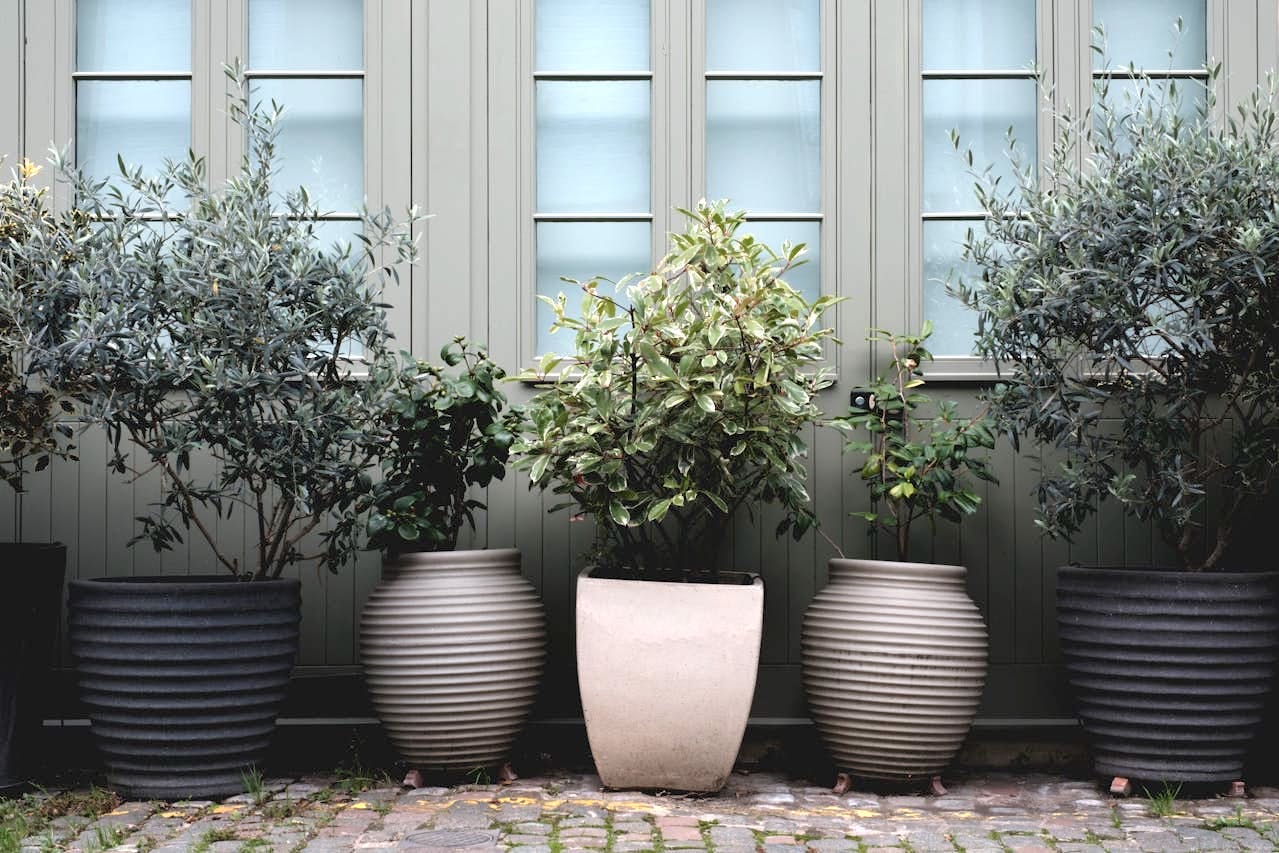
Image: Photo by Kevin et Laurianne Langlais / Pexels
Containers are as personal as the plants that go in them. Whether you opt for ceramic, terracotta, metal, plastic, bamboo or rice is entirely up to you, but it is also important to consider a few key points as you decide.
The longer the plant will be in the pot, the more sturdy it needs to be. If it’s going to be outside full time, then it needs to be frost-proof. Quick-use pots or those for indoors are easier to choose. Some will last longer than others and some may be more fragile.
Always check for drainage in the container and make sure it will be adequate for your planting.
You may wish to get some “pot feet” for the container to raise it up and ensure good drainage or stand it on bricks, but it must be stable or it may blow over in high wind, particularly if it is a tall plant.
Shape matters and a short, wide pot is going to be more stable than a tall, narrow one.
Terracotta
Terracotta and clay are traditional pot materials, widely available in a huge range of shapes and sizes. The pot absorbs moisture, which the plant can draw back if it needs it, but some is also lost to evaporation from the sides. Air can pass through the pot, which is good for the roots, but the pots are not all frost-proof and may shatter in a cold winter. The thickness of the pot buffers variations in temperature to some extent, although they still need extra insulation in winter. They are very attractive to look at and, if you choose these, look for a frost-proof label. They will be a bit more expensive, but worth it in the long term.
Ceramic
Glazed ceramic pots are very attractive and can often be very expensive. They tend to be heavy, which makes them very stable, but hard to move once they are planted up. The glaze usually inhibits air movement through the sides, but there may be a certain amount of water absorption inside the pot. The thickness of a ceramic pot buffers variations in temperature to some extent, although they may still need extra insulation in winter. These are good for long-term plantings.
Metal
Be slightly cautious if you choose metal containers, because the thin metal offers no heat buffer. They can get very hot in summer if they stand in direct sun and they can be very cold in winter. In each case, there is a danger that the roots closest to the metal will be damaged. One way round this is to line the container with an insulating material.
Plastic
Many of the plastic pots available now are at least partly recycled and recyclable. They come in a range of colours and indoor ones often have matching saucers. Plastic does not “breathe”, but this means it does not allow water to evaporate through the sides either. It is light, durable and usually frost-proof. It will fade over time and may become brittle. Washed thoroughly, it can be reused many times.
Wood
Like terracotta, wood is a traditional material for making containers. It is durable, breathes and buffers against temperature fluctuations. Its versatility means it can be made into many shapes and sizes, and it can be painted to change the colour. Hard woods will last longer than softer woods, like pine. Half barrels from the wine and sherry industry are popular for large plants. Over time, wood will rot so it needs maintenance.
Fibreglass and composites
These pots are moulded to shape and are both lightweight and durable. They come in a huge range of colours, shapes and sizes. Some pots have wheels built in so they can be moved around, making them ideal for an urban situation or patio. These are strong, sturdy pots, but over time they get dirty and benefit from a wash with a non-abrasive cleaner.
Bamboo
One of the new materials coming through, designed to be less harmful to the environment. The pots are small at the moment and come in various colours. They are a useful alternative to plastic and are biodegradable, although this does mean they have a fairly short life. They are made from bamboo fibres and rice starch with organic resin compounds.
Coir
These biodegradable pots are a replacement for the small peat pots that were used when transplanting young plants. The plant can be moved into a larger pot or the soil with this pot still in place, as the roots can grow through it. The pot will rot fairly quickly.
Rice
Made from the husks of rice, left over as it is processed, these pots will biodegrade on a compost heap in 12-18 months. They are coated with a vegetable varnish to seal the rice and may last up to 5 years in normal use.
Coffee grounds
Pots made from a combination of reused plastic and raw materials made from coffee grounds are new to the market. Each pot contains at least 3 cups of coffee waste. Fully recyclable.