
When Life Gives You Lemons

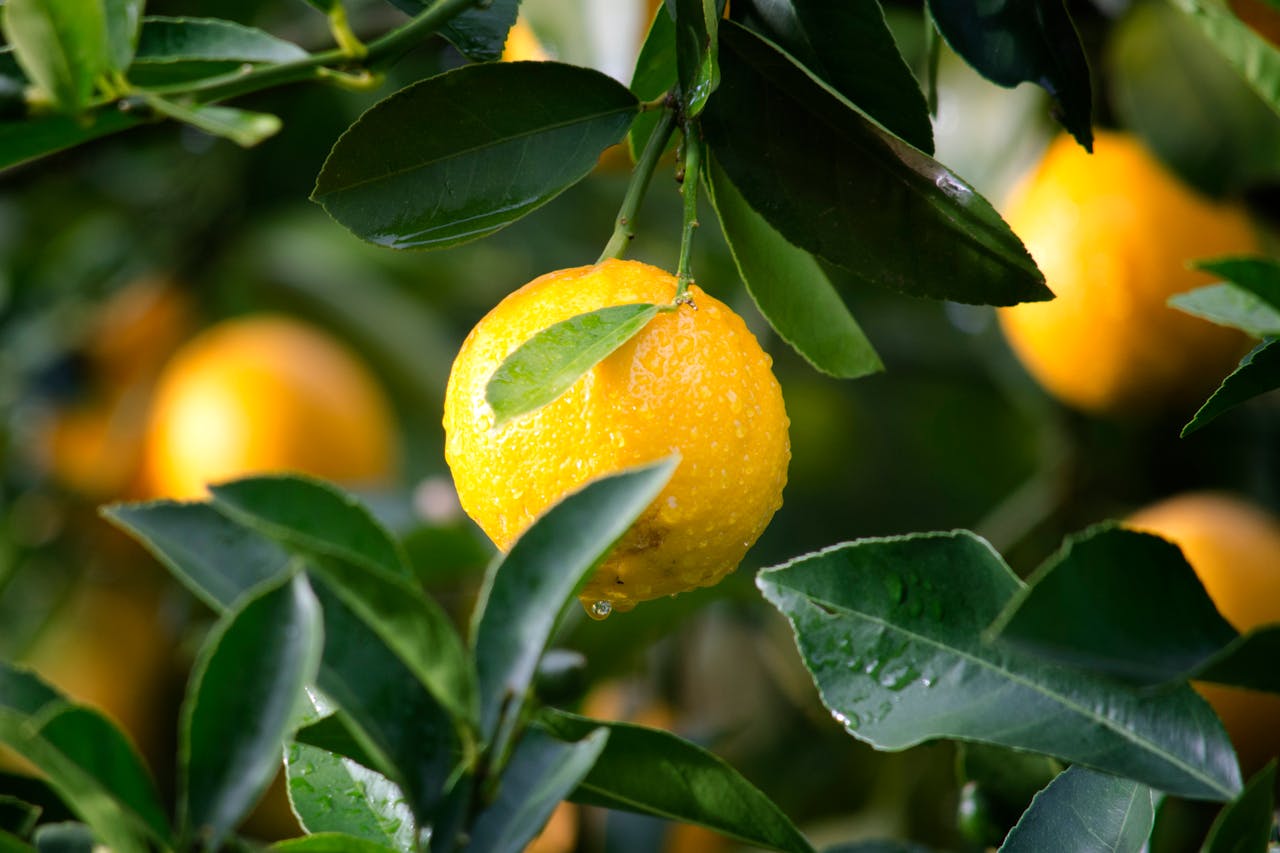
Image: Main: Ryan Baker / Pexels | Inset: Val Bradley
The top-seller lists in the houseplant section of larger garden centres now include citrus plants. From the odd one or two a few years ago, the range is expanding all the time and you can find some quite exotic-looking fruits.
As with most plants, they vary considerably in size and demands. From small calamondin oranges that are happy in an average room to lemons, which are much bigger and better suited to a greenhouse. Before you buy, decide whether you want to use the fruit or just admire it. Some are much easier to use than others!
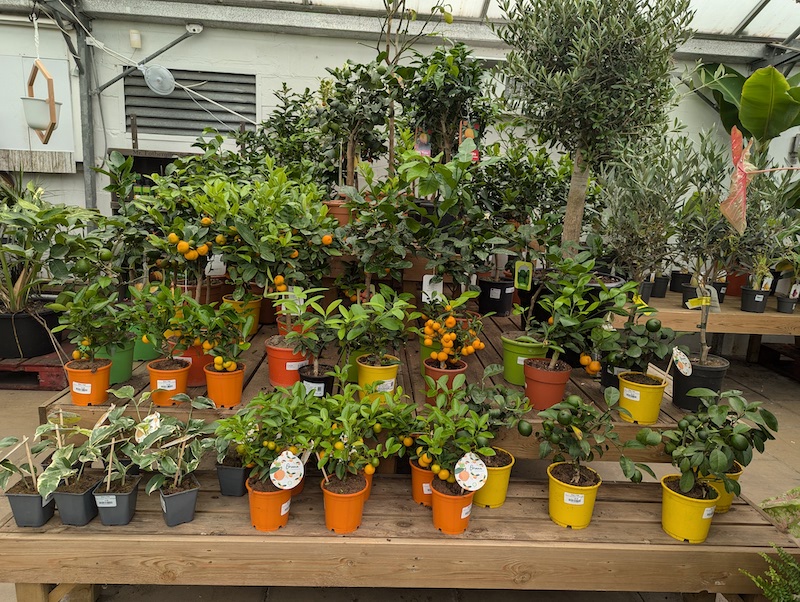
All are happy growing in containers, as long as they have enough space for the roots, water and are fed well. Keeping them in pots allows you to move them outdoors for the summer. The more light you can give any citrus plant, the better. They originate from Mediterranean-type areas, where the light levels are high.
Lemons are readily available, fruit regularly if they are happy and the flowers will fragrance the air better than anything out of a spray. They have flowers, embryo fruits and mature fruits on the plant at the same time and the fruits can be left until you are ready to use them, although they will eventually fall off.
They can stand outdoors in a sheltered spot over the summer, but need winter protection to keep them above freezing. Let the compost dry between waterings, then soak it.
Some oranges are more touchy and need regular moderate watering or they will shed their fruit. Citrus must never become waterlogged.
Many oranges have one flowering time, so if something goes wrong, it's game over. Striped fruits are available, as are red "blood" oranges. The fruits of small oranges and kumquat are edible, but tart, so are ideal for adding to sweet dishes.
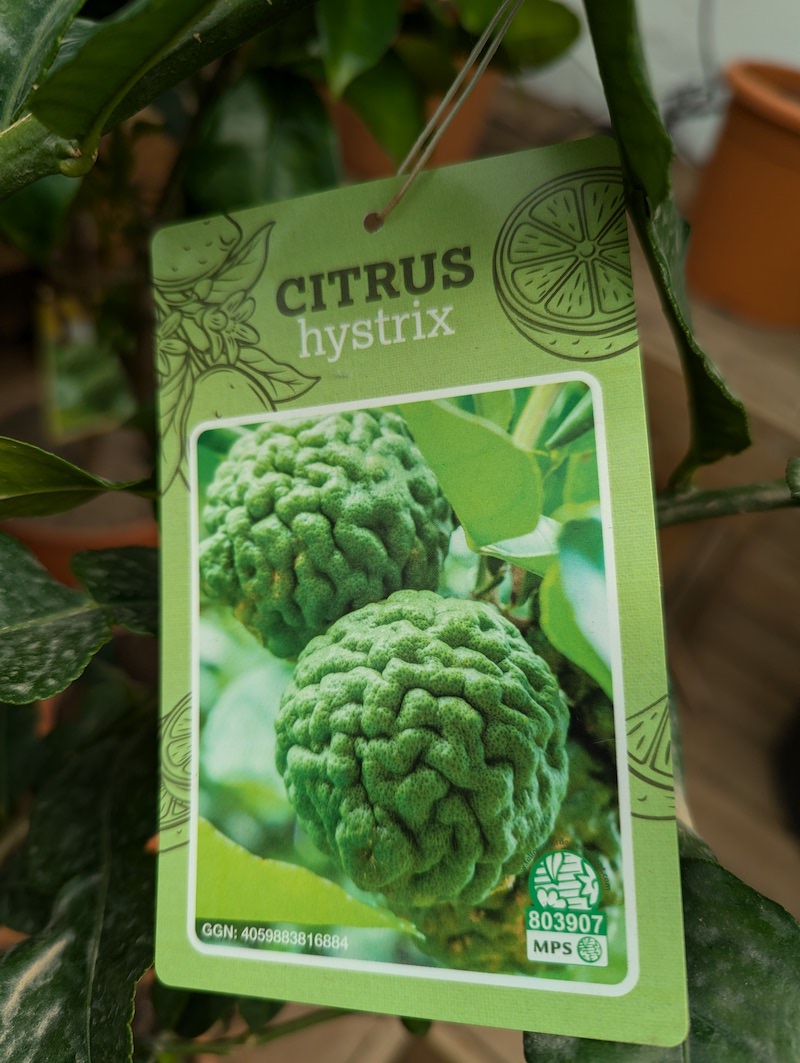
Various forms of limes need differing conditions, so always check the label before you buy. These plants are often quite expensive, so research can be important.
Yuzu are amongst the hardiest citrus plants, capable of coping to -6C They can stay outside all year in milder areas, although the roots benefit from protection during frosty weather if they are growing in pots. They are very popular in both savoury and sweet Japanese cuisine and are slowly creeping onto the UK market. They need feeding well and very regularly to keep them healthy and ensure a crop.
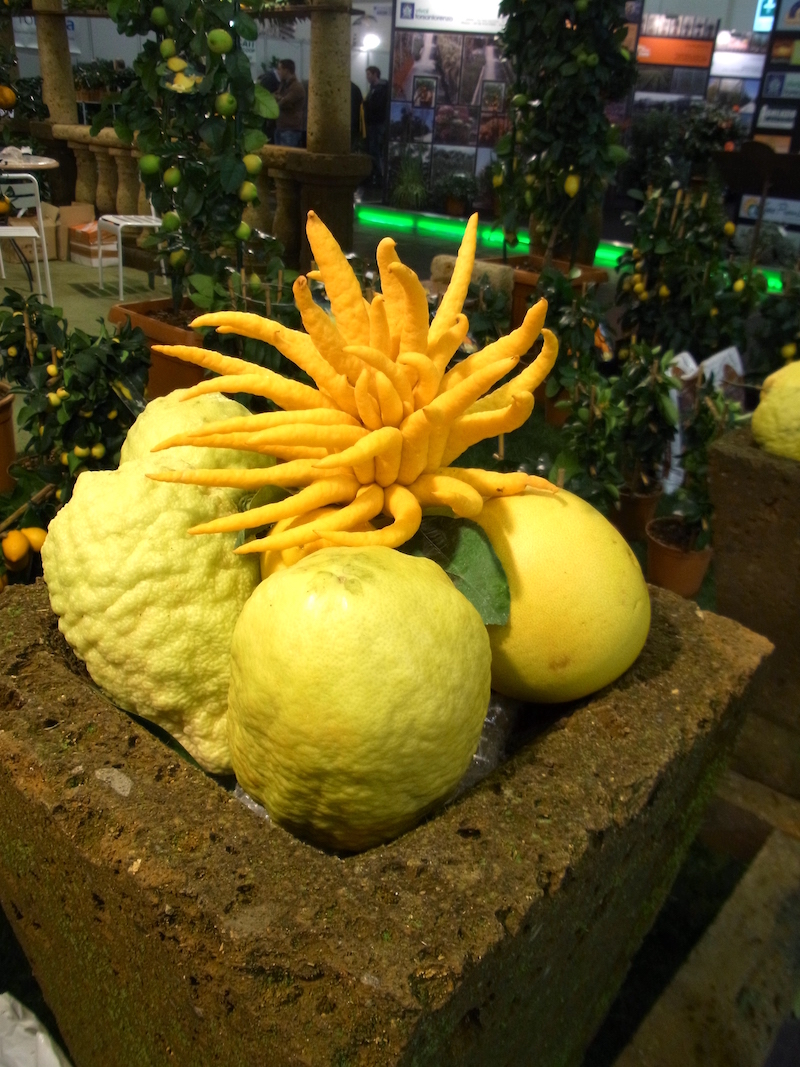
Claw-shaped, finger-shaped and knobbly citrus fruits have novelty value, but are usually less useful for eating. They are ideal for decorating and in drinks.
Pruning, where necessary, should be done in spring. Never remove more than one third of the growth and NEVER cut a lemon back so far it has no leaves. Unlike other plants, citrus store little or no food within the plant, so removing the leaves (which manufacture natural sugars from sunlight) can kill them.
Overall, with their glossy leaves and room-refreshing fragrance, citrus are well worth growing if you have space for them. They all need regular feeding and watering to keep them growing well, but never leave them waterlogged.
All are prone to being attacked by scale insects, so be alert for sticky residue on the leaves. This is often followed by a coating of black "sooty" mould, which lives on the sugary deposit. They can be dealt with organically. Webbing on the shoots is likely to be caused by red spider mites, which can be controlled with a predatory mite available by mail order.