
Plants Adapt to Drop in Insects
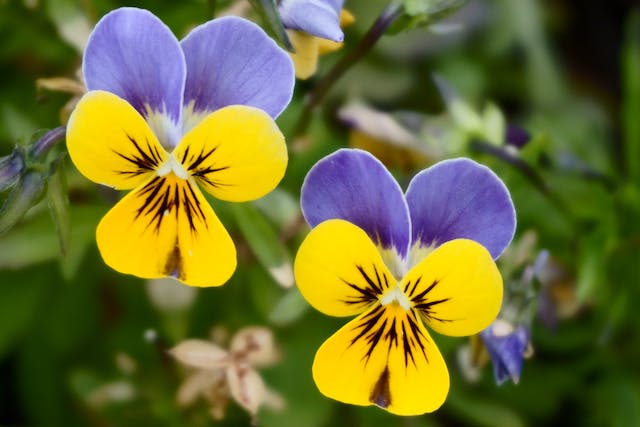
Image: Pexels.com (Free)
The study, carried out by the French National Centre for Scientific Research (CNRS) and the University of Montpellier in France, reveals that as the challenge of reproducing amidst declining insect populations intensifies, plants are adapting by moving towards self-fertilisation.
A comparison was made between field pansies currently growing in the Paris region and those resurrected in the laboratory from seeds gathered between 1992 and 2001. The findings indicate that present-day flowers are not only 10% smaller but also produce 20% less nectar, leading to decreased visits by pollinators compared to their ancestors. This research suggests a shift in the reproductive strategy of plants. If the flowers are unlikely to attract insects for pollination, the plant expends unnecessary energy in producing large, nectar-rich blooms.
This evolutionary response is attributed to the diminishing number of pollinators across Europe, potentially initiating a harmful cycle where the scarcity of nectar further accelerates the decline of insects. A 2017 study in Germany estimated a seasonal decline of 76% and mid-summer decline of 82% in flying insect biomass.
The study underscores the critical need to protect both plants and pollinators, which have coexisted for millions of years.