
The Importance of Attracting Bats to Your Garden
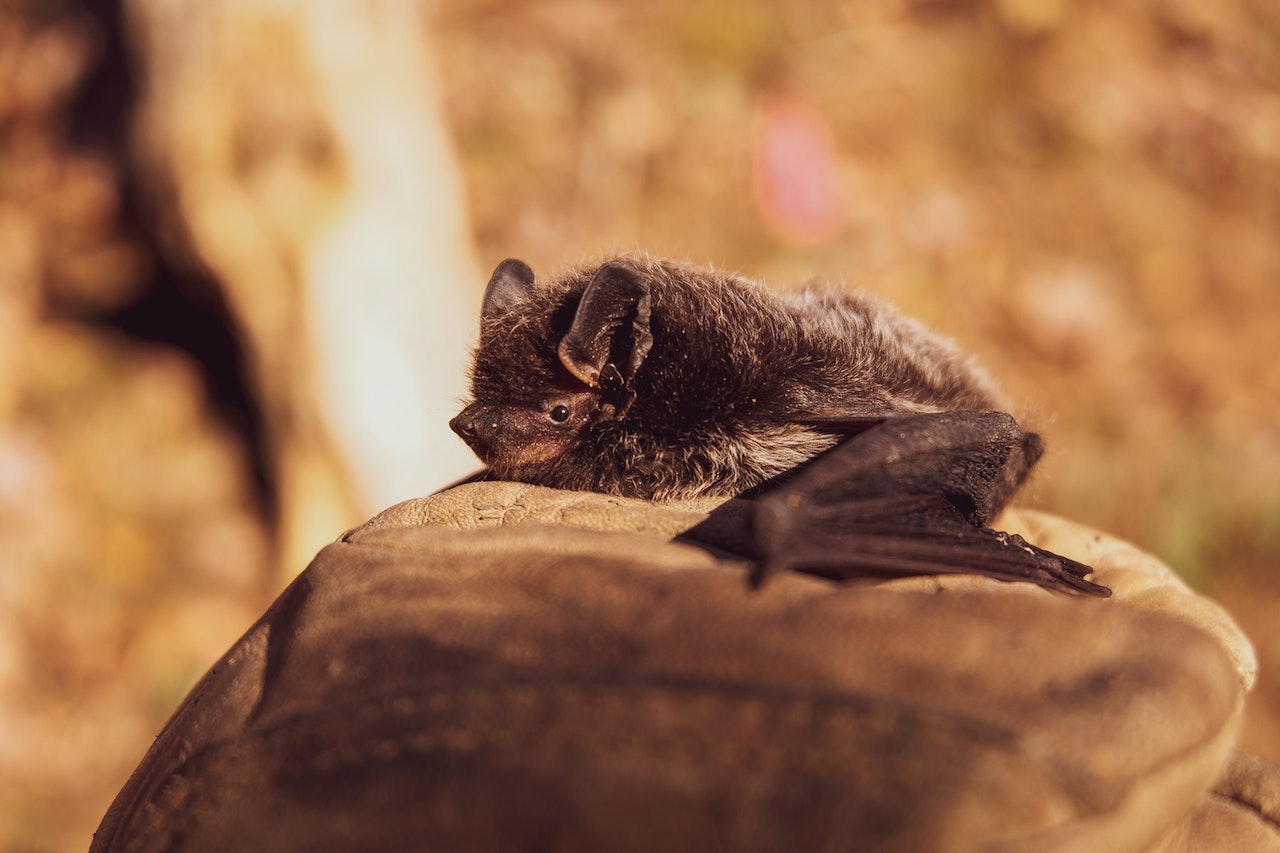
Image: Pexels.com (Free)
The UK bat population makes up over a quarter of all British mammals, yet four out of 17 of them are red-listed species. As an identified 'indicator species', having bats in your garden is a good sign of a green and healthy environment. But their numbers are dwindling due to habitat loss and a lack of food because of pesticides, intensive farming, and the use of artificial light.
To help invite bats to your garden, experts from CJ Wildlife have shared some top tips on caring for them.
Provide a Bat Box
One major issue bats face is habitat loss. The human need to be extra tidy has meant these creatures cannot easily roost in old buildings, trees, and shrubs. When choosing your box, it is important to pick materials that allow bats to grip onto and keep predators out. Bat boxes with a ladder beneath for landing like the Coucy Wooden Bat Box offer extra protection as bats can easily grip onto the box and slip through to enter. In early summer, pregnant bats will gather in a 'maternity roost' so larger boxes like the Almodovar Wooden Bat Box might be best if you have a larger population in your area!
Bats go into hibernation to survive the winter, meaning their body temperature is considerably lowered. To survive the cold, they require constant internal temperatures in the roost. The Harlech WoodStone® Bat Box is made from a combination of concrete and FSC-certified wood chippings, ensuring the internal temperature remains consistent for hibernating bats.
Plant Night-Scented Flowers
Night-scented blooms encourage insects to feast after hours, which then allows bats to enjoy a hard-earned meal of bugs, moths, and flies. Some night-scented flowers like Honeysuckle (Lonicera periclimenum) and White Jasmine (Jasminum officinale) offer a beautiful bloom throughout the day, but their sweet scent in the evening will attract moths and night-flying insects for bats to enjoy!
Other night-scented flowers to try are Evening Primrose (Oenotheria), Tobacco Plant (Nicotiana sylvestris), petunias and Sweet Rocket (Hesperis matronalis). Opting for white or pale blue flowers is also advantageous as they are easier to see during low light and encourage night flying insects to gather.
Another way to encourage insects and help feed bats is by adding established trees and shrubs to your garden. These provide shelter for insects that can use them to lay eggs and reproduce, attracting even more bugs for bats to feast on.
Add a Pond to Your Garden
Whether it's for a refreshing bath for wild birds, or a home for aquatic creatures like frogs, ponds support a variety of wildlife – including bats! No matter how big or small, ponds attract a huge range of invertebrates, making them an ideal source of food and water. Species like the Daubenton's bat hover above the water and eat little flies that sit on the surface, but many others will swoop above and catch the flying insects in mid-air above the water, like the pipistrelle, which can eat up to 3,000 insects in one night!
Another easy way to help bats is by creating a compost heap. Not only are they a great way of reusing garden and food waste, but they also attract insects which are delicious to bats! By leaving one small space in your garden dedicated to composting, not only can you reuse the soil for your gardening needs, but it also helps bats thrive.
International Bat Night
Andreia at the Bat Conservation Trust commented: "Bats are an important part of our natural world and the environment. There were significant historical declines in bat populations throughout the 1900s. However, several of our bat species are showing signs of slow recovery.
"There is still a long way to go, but the results suggest existing protective laws and conservation actions over recent decades to help bat populations are paying off.
"With International Bat Night taking place on the 26th - 27th August across 30 countries, it is a great opportunity for people to get involved and learn more about our native bat species and how we can help protect them.
"A key way to help is dispelling myths, educating people on the benefits of bats and raising awareness of their importance. International Bat Night aims to encourage these conversations and we hope that the Great British public will get involved and do their bit to help these wonderful creatures!"
Some ideas to celebrate bats on International Bat Night:
- Plan a bat themed party
- Organise a bat walk
- Take on a challenge for bats; a hike, bike ride, run, swim
- Bat themed movie marathon
We'd love to hear your ideas!
To find out more about International Bat Night and how you can get involved see: https://www.bats.org.uk/support-bats/international-bat-night.
For more advice on attracting bats to your garden visit: https://www.bats.org.uk/ and to browse CJ Wildlife’s bat box collection visit: www.birdfood.co.uk/wildlife/bats.