
Top 10 Plants for an Exposed Site

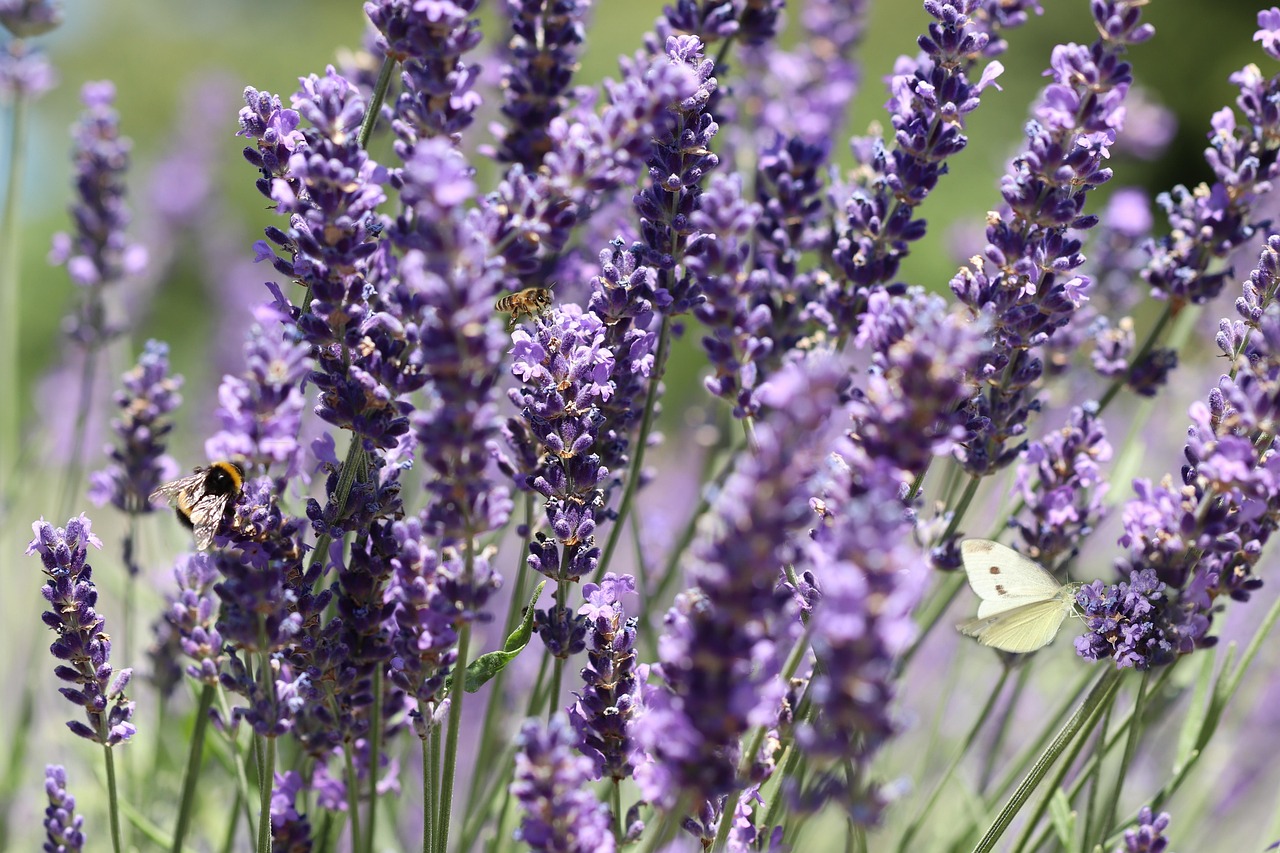
Image: Image by Annette Meyer from Pixabay
Wind, especially if it is salt-laden near the coast, can cause serious damage to the leaves of plants and the thinner the leaves, the greater the damage. Ideally, the best way to deal with wind is to create a barrier to break the direct flow of air and reduce the effect.
A hedge is ideal, as it filters the wind, rather than deflecting it and causing swirling on the other side, as a solid wall would.
Look for plants with tough or waxy leaves, as they are suited to an exposed spot, as are those with small, rolled or hairy leaves.
Town gardens, such as those on roofs or balconies, can be very exposed and establishing plants can be tricky. Using a roll of bamboo screen behind the plants helps to filter the wind, which reduces the speed at which the plants dry out and encourages them to keep growing.
Look for Latin plant names including:-
- littoralis - of sea shores
- maritima - maritime, coastal
- montana - of mountain areas
Acanthus mollis
This robust herbaceous perennial makes a dramatic impression, with large lobed leaves and tall upright flower spikes in summer. Be aware, it spreads and can be difficult to get rid of, but it will cope on any exposed site as long as it drains well.
Armeria marítima
The “sea thrift” is a low-growing perennial that forms a tuft or mat of spiky-looking green leaves. It produces taller stems with clusters of white, pink or red flowers. These tough little plants even grow on cliffs at the coast, so they will tolerate most exposed positions. Ideal on town balconies as long as they have enough moisture.
Cytisus
There are several species of Cytisus, or “broom”, shrubs. Some are short, others tall, but all have adapted to exposure by reducing their leaf size to a minimum and using their green stems instead to manufacture food. All have typical “pea” flowers in shades of yellow, orange or red.
Escallonia
These attractive evergreen shrubs are ideal as a screen, particularly the fragrant, white-flowered form ‘Iveyi’ which was found in Cornwall and is highly resilient to exposure. They are ideal as hedges or as individual plants and flower reliably from summer into the autumn.
Euonymus fortunei
These are trailing, bushy evergreen shrubs that will climb if you plant them against a wall or fence. The leaves are tough and waxy and the plant will spread as the shoots trail and root as they go. There are several very attractive forms with green/gold or green/silver foliage.
Griselinia littoralis
This is an attractive large shrub or small tree that can be grown as a tough, resilient hedge for shelter. The glossy apple-green leaves are medium-sized and rounded, with a waxy coating and almost leathery texture. There are several smaller forms with pretty variegated foliage.
Lavender
The leaves of lavender are covered with fine white hairs, which serve to trap moisture and deflect both wind and excess sunlight. This makes them perfectly adapted to most exposed conditions except where the soil is wet. The fragrant purple, pink or white flowers all summer are highly attractive to bees and other insects, and may be dried for use indoors.
Olearia
The “daisy bushes” are evergreen shrubs with tough leaves that make attractive hedges in exposed positions, but are equally good as stand-alone plants. They have dense sprays of star-shaped white, pink, mauve or purple daisy-like flowers in summer. The two most common are Olearia x haastii and Olearia macrodonta (New Zealand holly).
Pine
Conifers have fallen from popularity in recent years, but they have a valuable part to play in the garden. They offer structure and color throughout the year. There are several dwarf forms of Pinus mugo that will cope with exposure, including ‘Mops’ and ‘Humpy’ without growing too big.
Rosa rugosa
The epithet rugosa means “rough’ and describes the coarse texture that makes this an ideal plant for color and fragrance in an exposed spot. It is a very thorny form that grows into a dense, low-medium sized shrub with red, pink or white flowers all summer, according to variety, and big, showy red hips in autumn and winter.