
How to Make Your Garden Safe for Dogs
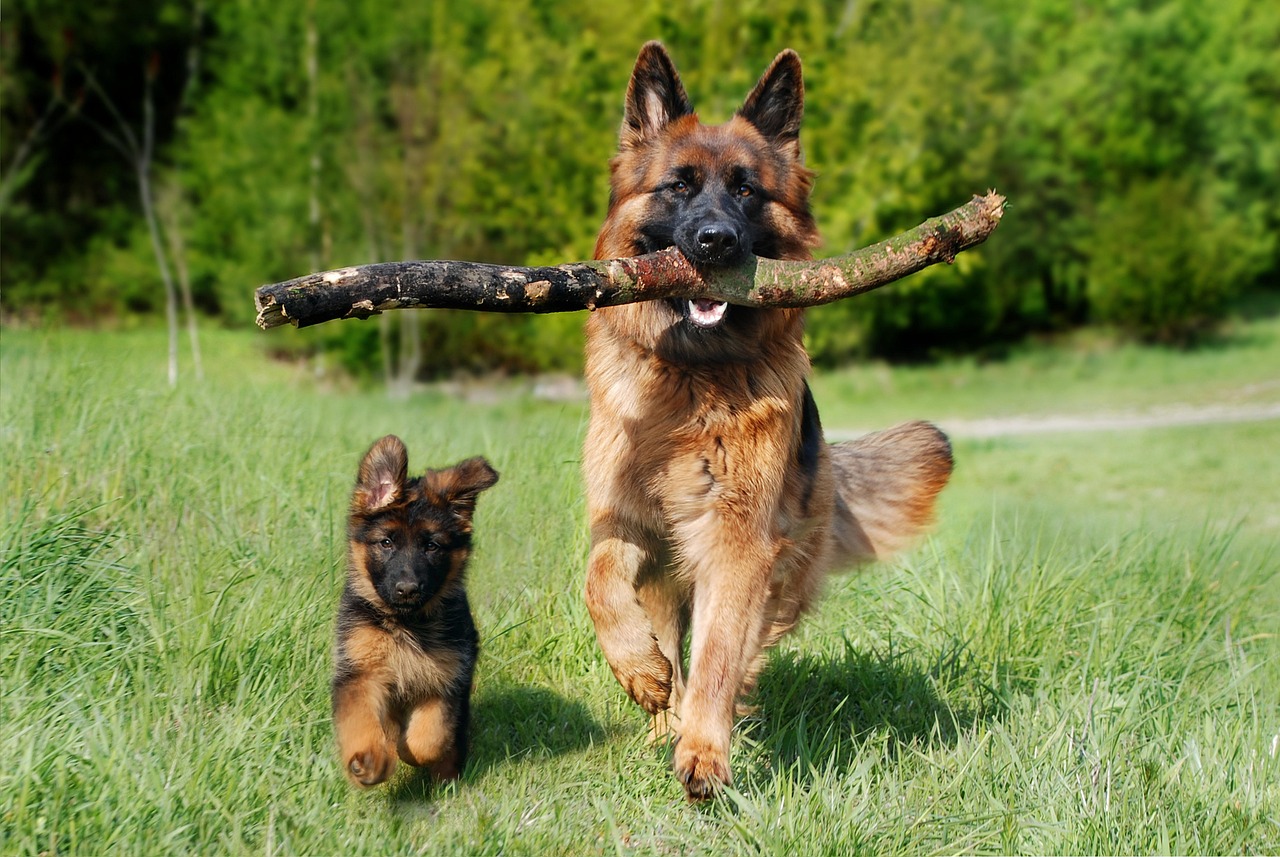
Image: Image by Anja from Pixabay
We all want our gardens to be a haven not just for us, but also for our four-legged pals. Whether you've got a mischievous puppy or a more mature dog, making sure your garden is safe and dog-friendly is a must. Here are some top tips to help you create a canine paradise right in your own back garden.
Fence It In
First things first, a good fence is essential. You don’t want your curious canine escaping to explore the neighbourhood! Make sure your fence is high enough to deter jumpers and secure enough at the bottom to stop diggers. If you've got a little Houdini, consider adding a dig guard – some wire mesh along the base should do the trick.
Paw-Friendly Plants
Did you know some common garden plants can be toxic to dogs? It's true! Let's talk about a few you should definitely avoid:
Azaleas and Rhododendrons: Even a small nibble can cause serious health issues, including vomiting, drooling, and potentially even fatal heart problems.
Daffodils: Every part of this plant is toxic to dogs, especially the bulbs. Ingesting daffodils can lead to severe vomiting, diarrhoea, and even convulsions.
Foxgloves: These beautiful flowers contain digitalis, which can cause heart problems, drooling, nausea, and seizures in dogs.
Oleander: All parts of this plant are highly toxic, leading to serious heart issues, vomiting, and possibly death.
Instead, opt for dog-safe options like:
Marigolds: These bright, cheerful flowers are safe for dogs and can help keep pests away from your other plants.
Sunflowers: These towering beauties are non-toxic and add a lovely splash of colour.
Lavender: Not only is it safe, but the calming scent might help soothe your pooch.
Secure Your Sheds and Greenhouses
Dogs are curious by nature, and an open shed or greenhouse is an invitation to explore. Make sure all your garden tools and chemicals are stored safely out of reach. Fertilisers, pesticides, and even some mulches can be harmful if ingested. A lock on the shed door can save you a lot of worry.
Paths and Patios
Ever seen a dog skid across a slippery patio? It's hilarious but not very safe. Make sure your paths and patios are non-slip. Gravel or bark chippings are great options, and they’re easy on the paws too.
Water
Dogs love water, but be cautious with ponds and water features. If you have a pond, make sure it's safely fenced off or has a shallow area where your dog can easily get out if they fall in. Better yet, give them their own paddling pool for those hot summer days.
Safe and Sound Toys
Keep a selection of sturdy, dog-safe toys in the garden to keep your pooch entertained. Avoid anything too small that could be a choking hazard or toys that could easily break and be swallowed. Rotate them to keep things interesting – just like kids, dogs can get bored with the same old stuff!
Doggy Den
Why not create a cosy spot for your dog to relax? A shady area with a comfy bed or even a little doghouse can provide a perfect retreat from the sun. Dogs love having a space they can call their own, and it’s a great way to make sure they stay cool and comfortable.
Say No to Slugs and Snails
Slug and snail pellets can be lethal to dogs. If you're battling these garden pests, try pet-safe alternatives like beer traps or organic slug repellents. Better yet, encourage natural predators like birds and hedgehogs to visit your garden.
Mind the Mulch
Certain types of mulch, particularly cocoa mulch, can be toxic to dogs. Stick to safe options like pine, cedar, or wool mulch. These not only keep your plants happy but also keep your furry friend safe.
Keep It Clean
Regularly clear up any dog mess to keep the garden a pleasant space for everyone. It’s not the most glamorous job, but it’s essential. Dog waste can attract unwanted pests and spread disease, so a quick daily scoop will keep your garden fresh and healthy.
Training Time
Lastly, a bit of training can go a long way. Teach your dog which areas are off-limits, like the flower beds or veggie patch. Reward them for good behaviour and gently discourage any digging or chewing of plants.
So there you have it - some simple steps to turn your garden into a safe, dog-friendly oasis. With a little effort, you can create a space where both you and your furry friend can relax, play, and enjoy the great outdoors together. Happy gardening!