
Top 10 Tips on Feeding Plants

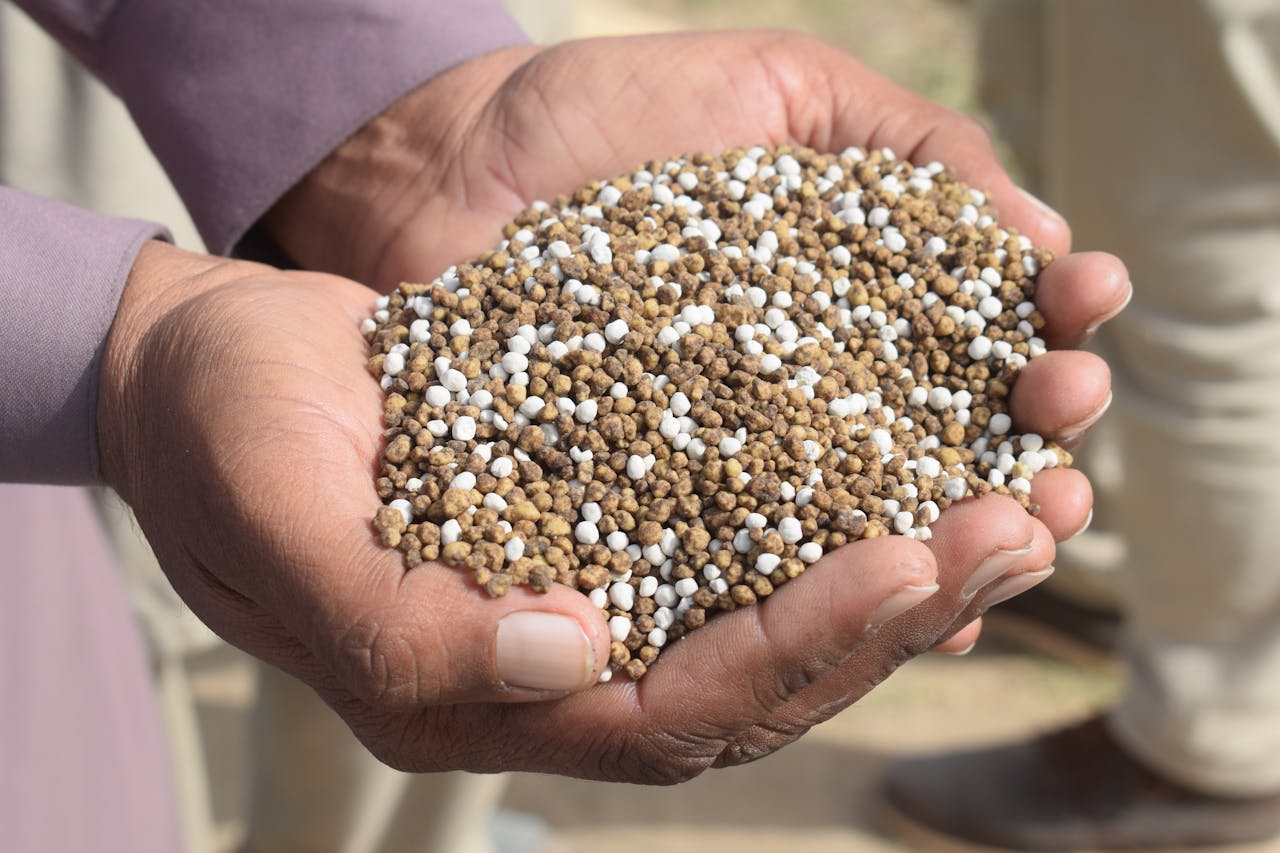
Image: Photo by Kashif Shah / Pexels
When out and about answering gardening questions, people often tell you their plant looks sickly. Like a GP tracking down an illness, there are a series of questions you ask to try and isolate the problem. One of the first is "when did you last feed it?".
This either brings an accurate answer or a blank look while the brain works out when it was. In about half of the latter, the answer finally comes back "I haven’t fed it". To which we usually reply "how would you look if no-one fed you for X years?".
Here are our top 10 tips for keeping your plants happy and well-fed.
Why feed
Plants need food in order to grow, flower and fruit. As they have no teeth or mouths, this has to be taken in by tiny “feeder” roots as a solution with water. You can either apply it as a liquid feed or as a dry fertiliser round the roots that needs watering in to wash it down to the root zone.
Which elements
The fertiliser needs to be a balanced mix of “macro” minerals and trace elements. The main requirements are for nitrogen (N), phosphorus (P) and potassium (K) and these are shown on the back of fertiliser packs as an N:P:K ratio. Put simply, plants need N for shoots, P for roots and K for fruits & flowers. Choose a fertiliser that best suits the needs of the plant.
Which is which
Using this simple N:P:K guide, select a fertiliser that will give the best results for your plant at the time. If you are growing a leafy plant that needs extra nitrogen, such as broccoli, look for a fertiliser ratio where the N number is higher than the other two. One where the K number is higher is ideal for boosting flowers and fruit on plants like tomatoes or summer bedding.
In the garden
As food supplies run low, plants growing in soil can extend their roots to find more food, but where many are growing closely together, food supplies may run low. Either mulch regularly with organic matter, such as home-made compost, or apply a general fertiliser around all the plants every spring. Water it in well to wash it down to the root zone.
Containers
Plants growing in containers only have a limited amount of soil or compost and are entirely dependent on you for food and additional water. Apply fertiliser at least once every year or they will start to struggle and the growth will slow down.
New plantings
Tradition has it that when you introduce a new plant, you dig a hole and put fertiliser in the bottom before you add the plant and refill the hole. Unfortunately, by the time the roots extend into this area, the fertiliser will have been washed away by a combination of rainfall (or watering) and gravity, so it was a waste of time. Sprinkle the fertiliser around the plant after you finish planting, fork it lightly into the soil and water it well. It will soak down to the root zone just as the new roots begin the grow.
Organic or artificial
Home-made compost and well-rotted horse manure are good for adding organic matter to the soil, improving the structure and releasing minerals, but they may not add everything your plants need. Artificial fertilisers are concentrated forms of the minerals and trace elements plants need, tailored to suit any given situation. Applied as directed, they are used up by the plants and are not washed down into the water course. Excess use can cause issues. You can choose to use whichever you want or a combination of both.
Quick boost
If you have a sickly plant, you can give it a quick boost by applying a product containing seaweed extract as a foliar feed over the leaves. This is absorbed, to a limited extent, by the leaves and provides food exactly where it is needed. You will still need to apply fertiliser to the soil or compost as the main feed.
Indoor plants
There are many specific fertilisers for indoor plants but, on the whole, they will respond to any general fertiliser as long as they are fed! Remember that you can reduce or stop feeding them over winter, when the growth slows right down, or during their dormant period if this is different.
Plants can’t read
The range of fertilisers on sale is intimidating, but most have a very similar formulation, depending on their purpose. The main difference is where you need an acidic formulation for Rhododendrons, Camellias and Pieris (amongst others). A formulation for roses will also suit other flowering plants and the good thing is that they can’t read, so they will never know.