
Wakehurst's Winter Garden turns five
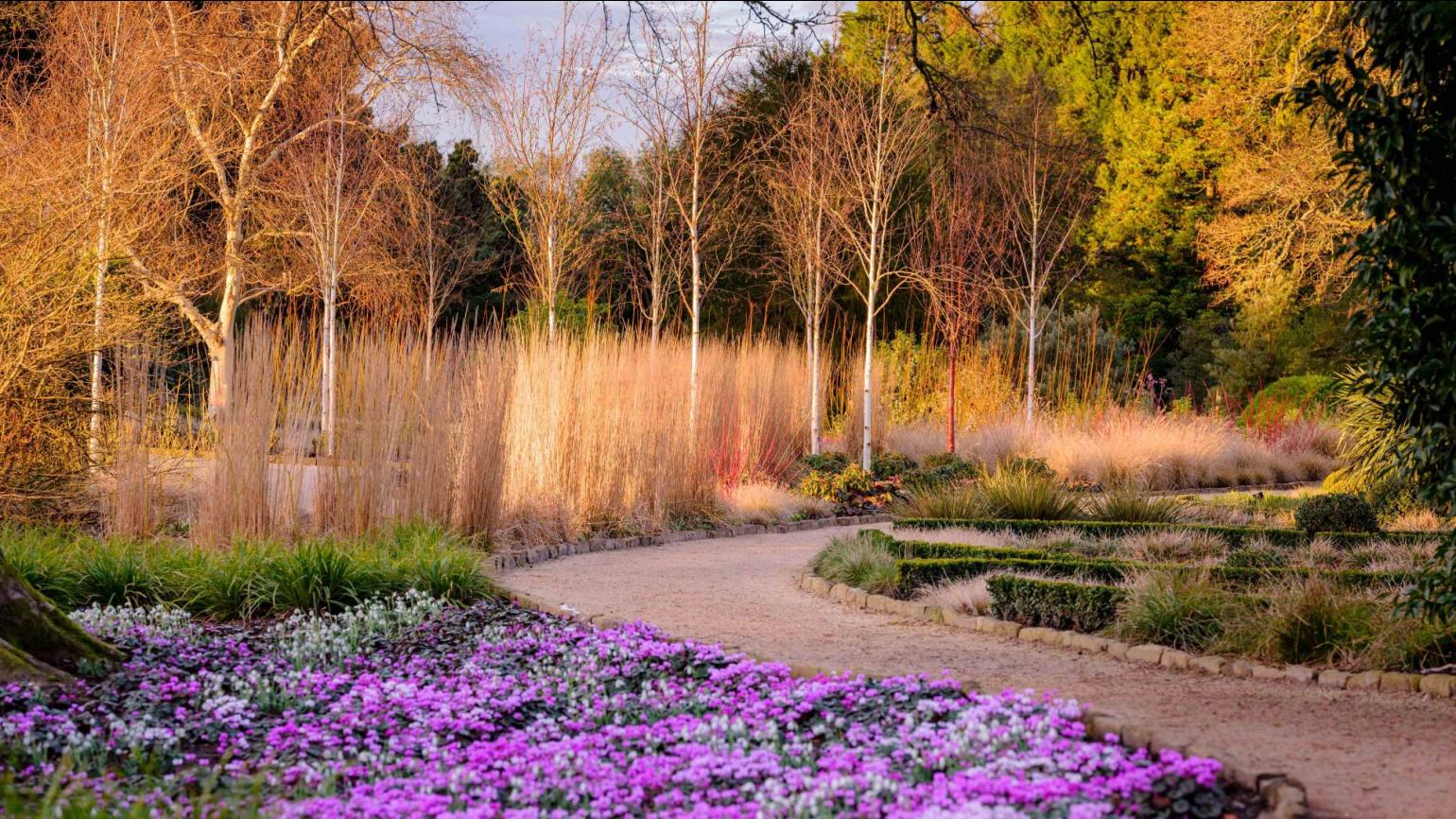
Image: Wakegurst
This winter, Wakehurst, Kew’s wild botanic garden in Sussex, is celebrating five years since the unveiling of the new Winter Garden, which opened in January 2019. Located on the west side of Wakehurst’s Elizabethan Mansion, the Winter Garden captivates visitors with its vibrant colours, rich scents and diverse textures, even in the depths of winter.
Wakehurst is a trailblazer for winter gardens, with one of the first in the UK created onsite in 1986. Garden Manager Francis Annette led the latest redesign, conceived to immerse visitors in winter beauty. Contemporary carved seating offers corners for reflection and connection with nature. An initial 33,000 plants were introduced to the area, delivering a bold spread of colour and texture, taking inspiration from the multi-layered vegetation across the neighbouring landscapes.
Annette commented, “We felt the garden needed reinvigorating. I took inspiration from different landscapes in nature and what they look like in winter, such as a Himalayan rhododendron glade, a forest fringe, the Siberian tundra, the heathland in nearby Ashdown Forest and the South Downs. I wanted to make sure the garden created a sensory overload of colour, scent and textural contrasts."
The Winter Garden is structured around a family of mature Himalayan silver birch (Betula utilis var jacquemontii) interspersed with the coppery gleam of Tibetan cherry (Prunus serrula tibetica). Under the canopy, further texture and colour come from fiery red dogwood (Cornus) (including the cultivars ‘Midwinter Fire’ and ‘Bud’s Yellow’), soft, feather-like ‘Karl Foerster’ grass (Calamagrostis) and hellebores. On the ground level, bright cyclamen decorate the base of the trees, signalling the start of the winter season, whilst a selection of snowdrops, particularly Galanthus woronowii, take their place heralding the first signs of Spring. Japanese sedge (Carex morrowii), provides bold evergreens and a fresh ground cover, which Annette was keen to curate in place of a dark mulch base. Visitors will also notice the strong scent of daphne and witch hazel (Hammelis), both planted close to the path edges, whilst the wind rustles through swathes of deciduous grasses, offering a full sensory experience.
Annette commented, “During the coldest months of the year, the Winter Garden really takes centre stage. Five years on, it’s established extremely well, and continues to evolve. It’s truly a celebration of colour, where strong hues of red and green really make the display pop, creating simple yet striking combinations.” How to make your own Winter Garden
For garden enthusiasts and budding botanists wishing to create their own Winter Garden, Annette advises on the use of plants to contrast and complement each other, making imaginative use of small spaces. To reduce the need for mulching or weeding, grasses can provide attractive ground cover, and interest can be created by experimenting with plants of different heights.
He added, “Go for that one plant that really speaks to you in winter. If you have space, that might be a hamamelis, or it could be a brightly coloured dogwood, used to illuminate a dark corner. In a container I like to think of the phrase: thrill, fill and spill. Plant something of interest in the middle, perhaps something evergreen like a Christmas box, then fill around it with a bergenia, for instance, and add in some ivy which will trail over the side of the pot.”
To celebrate the Winter Garden's fifth anniversary, Wakehurst invites visitors to explore the matured garden, where carefully nurtured plants now flourish. To ensure accessibility, the all-weather pathways were recently reinforced with resin, ensuring all visitors can fully immersive themselves in the garden’s winter beauty.
For more information, visit: www.kew.org/wakehurst/whats-at-wakehurst/winter-garden
Please note, the Winter Garden is in a dog-free area.