
Nature's Tiny Enforcers: How microscopic worms are revolutionising pest control
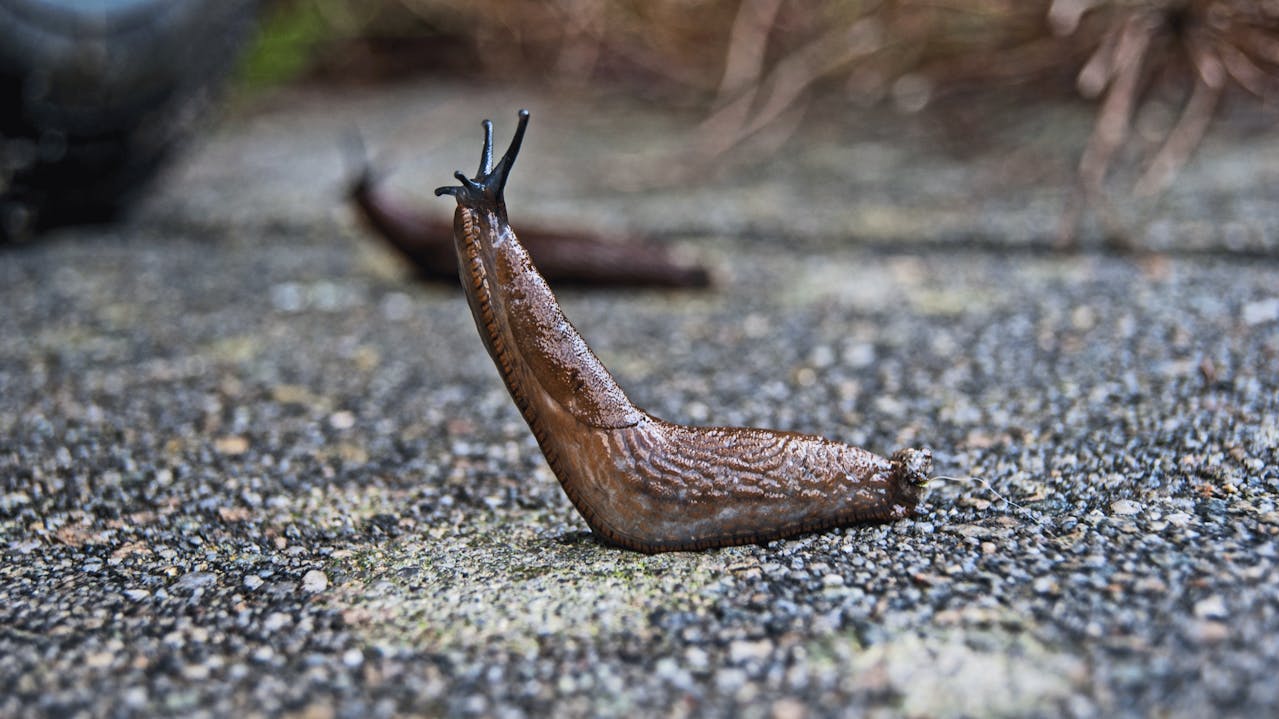
Image: Pixabay
In an ideal garden, everything lives in perfect balance — predator checks prey, nature self-corrects, and no single species runs amok. Reality, of course, is messier. Pests almost always get ahead of their natural controls, and by the time the ecosystem catches up, a prized new specimen or a row of hard-won vegetable seedlings may already be lost.
That's when gardeners must step in. And increasingly, those who would rather keep chemicals out of their growing space — especially where food is concerned — are turning to one of horticulture's best-kept secrets: nematodes.
"They feed and breed until the pest is reduced or eliminated — then simply die off. No other organism is harmed."
Nematodes are microscopic eelworms, naturally occurring but carefully bred for a very specific purpose: to seek out and destroy a single target pest. Unlike a broad-spectrum spray, each variety works on one species only, making them a remarkably precise tool. Safe around children and pets, they leave every other creature in the garden entirely untouched.
Using them couldn't be simpler. They arrive dormant and dry, and can be stored in the fridge until the moment they're needed. When the time comes, mix them with water and apply to pots or open ground. The only ongoing requirement is keeping the soil or compost moist — nematodes need that thin film of water to move and hunt. Beyond that, they do their work entirely unseen.
Pests they target:
Slugs
Leatherjackets
Vine weevils
Chafer grubs
Compost flies
Available by mail order or from garden retailers, nematodes are now a genuinely accessible solution for most gardeners. Whether you're battling slugs on the allotment or compost flies plaguing an indoor collection, there's very likely a nematode bred precisely for the job — waiting patiently in a packet, ready to be put to work.