|
|
|

There are several ways to propagate begonias, including by stem cuttings, leaf cuttings, and division.
To propagate by stem cuttings, choose a healthy stem with a few leaves and cut it just below a leaf node. Remove any leaves from the bottom half of the stem, and dip the cut end in rooting hormone. Place the cutting in a pot filled with a well-draining soil mix and keep it in a warm, bright location. Water the cutting when the soil feels dry to the touch.
To propagate by leaf cuttings, select a healthy leaf and cut it off the plant where it joins the stem. Cut the leaf into sections, making sure each section has a vein. Place the sections in a pot filled with a well-draining soil mix and keep them in a warm, bright location. Water the cuttings when the soil feels dry to the touch.
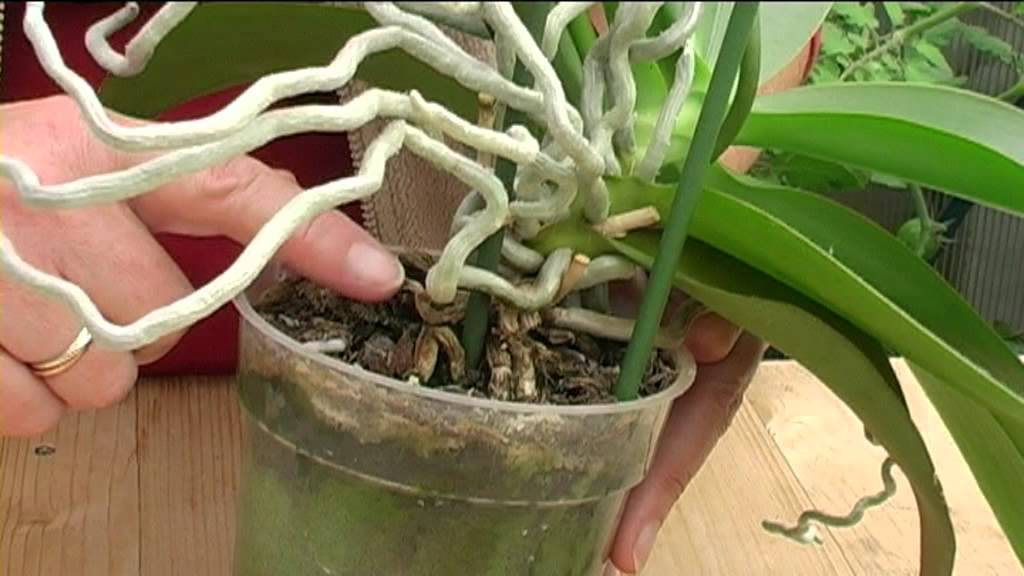
To propagate by division, carefully remove the plant from its pot and separate the roots into two or more sections. Replant each section in a pot filled with fresh soil mix and water thoroughly. Division is best done in the spring when the plant is actively growing.
Gardening Expert: |
If you can't find what you are looking for on the website then you can ask one of our experts. To get in touch with us Click Here
We will try to get back to you with an answer as soon as we can.
Begonias are a genus of flowering plants native to tropical and subtropical regions around the world, including Central and South America, Africa, and Asia. They are popular ornamental plants due to their attractive foliage and showy flowers, which come in a wide range of colours and shapes.
Begonias can range in size from small, compact plants to large shrubs, depending on the species and growing conditions. They have a wide range of leaf shapes and colours, from simple and green to variegated, hairy, and textured. Begonias also produce a wide range of flower shapes and colours, including single and double blooms in shades of white, pink, red, orange, and yellow.
Begonias are relatively easy to grow and care for, making them a popular choice for gardens and indoor plant collections. They prefer well-drained soil and partial shade to filtered sunlight, although some species can tolerate more sun than others. Begonias also require regular watering, but can be sensitive to overwatering and should not be allowed to sit in soggy soil. They can also benefit from regular fertilization with a balanced, water-soluble fertiliser during the growing season.
Begonias are often used in gardens as bedding plants, container plants, and hanging baskets. Their attractive foliage and showy flowers make them an attractive addition to any garden or indoor space. Some species of begonias are also used for medicinal purposes in traditional medicine, particularly in Asia and South America.
Begonias can be propagated by stem cuttings, leaf cuttings, or division. To divide a begonia, carefully separate the plant into smaller sections and replant each section in fresh soil. Begonias should be repotted every 1-2 years to provide fresh soil and room for growth. They can also benefit from regular pruning to remove dead or damaged leaves and promote bushier growth.
Begonias are a versatile and attractive addition to any garden or indoor space. With their wide range of leaf shapes and colours, as well as showy flowers in a variety of colours and shapes, they are a popular choice for both ornamental and medicinal purposes.
Did you find this answer useful? Subscribe to our newsletter for gardeing news, projects, special offers and competitions.

Missouri Botanical Garden
St. Louis, Missouri, USA

Rio de Janeiro Botanical Gardens
Rio de Janeiro, Brazil

Royal Botanic Garden Sydney
Sydney, Australia
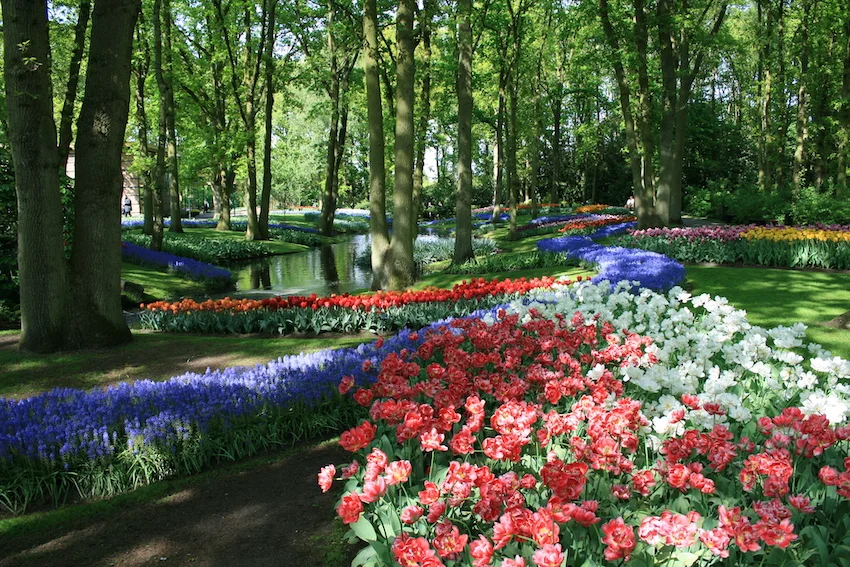
Keukenhof
Lisse, Netherlands

Eram Garden
Shiraz, Iran

Medellin Botanical Garden
Medellin, Columbia