|
|
|

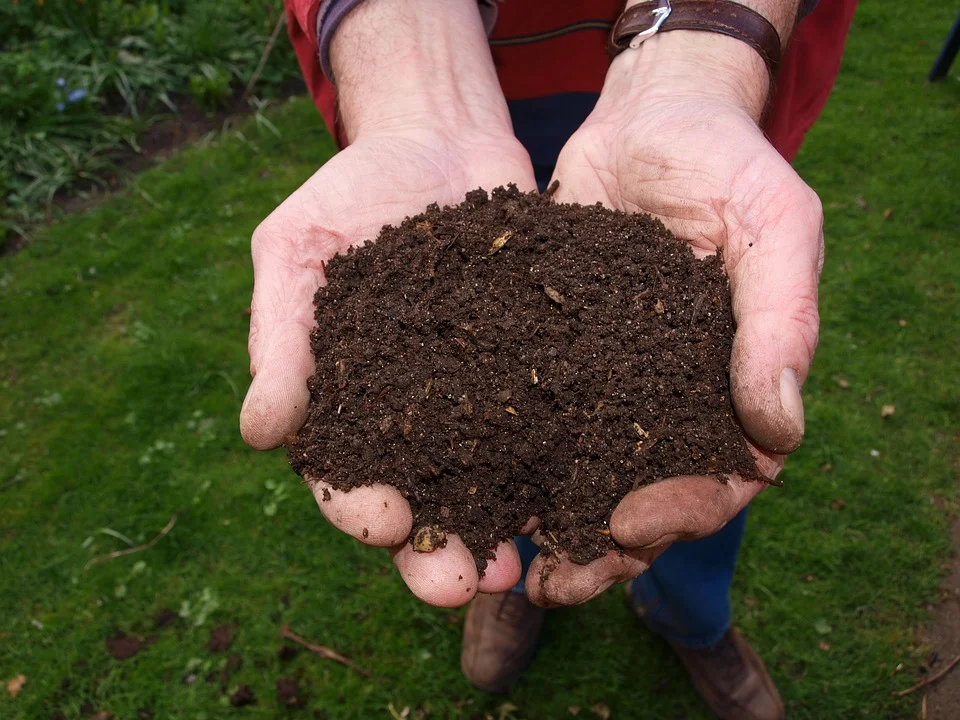
The pH scale measures acidity and alkalinity, on a scale from 1 to 10. In gardening terms, we only really care about the middle section from about 4 to around 8, because soils don’t often go above or below these numbers. A figure of 6.5 is classed as neutral and offers the most scope for planting. Once you go below pH 5.5, you are dealing with plants that will struggle in anything except an acid soil. This includes the Ericaceous group of plants like Rhododendrons, Camellias, azaleas, some heathers and Pieris. Above pH 7 you need the plants that prefer alkaline, or chalky, conditions like Dianthus and many lavenders. So, the pH matters when you are choosing plants because you’ll waste time, effort and money if you get the wrong ones. There are always pockets of soil in an area that don’t conform with the rest of the area, but just because someone is growing beautiful Rhododendrons down the road doesn’t mean they’ll grow in your garden, so get a little pH kit from the garden centre and test your soil. Ideally, for an overall picture, take 4 or 5 samples from a depth of about 5cm from different parts of the garden, mix them together and take the test sample from the mixture. If you only want to test a single area, then just take one sample.
Gardening Expert: |
We could not find any related questions.
If you can't find what you are looking for on the website then you can ask one of our experts. To get in touch with us Click Here
We will try to get back to you with an answer as soon as we can.
Did you find this answer useful? Subscribe to our newsletter for gardeing news, projects, special offers and competitions.
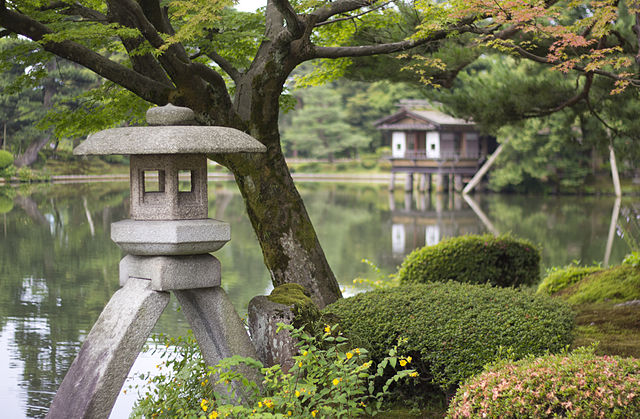
Kenrokuen Garden
Kanazawa, Ishikawa, Japan
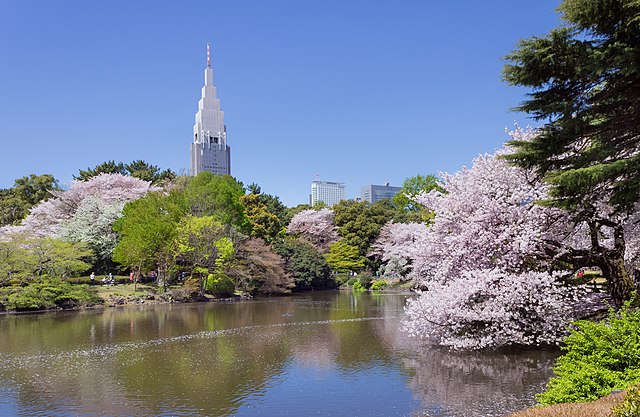
Shinjuku Gyoen National Garden
Tokyo, Japan
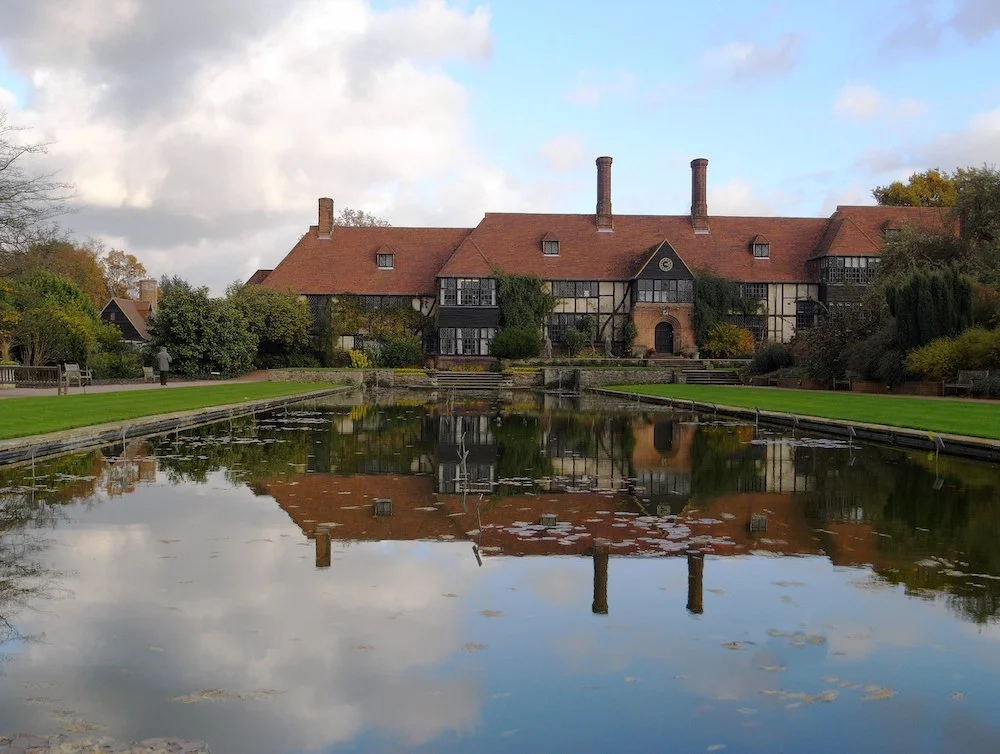
RHS Garden, Wisley
Woking, United Kingdom
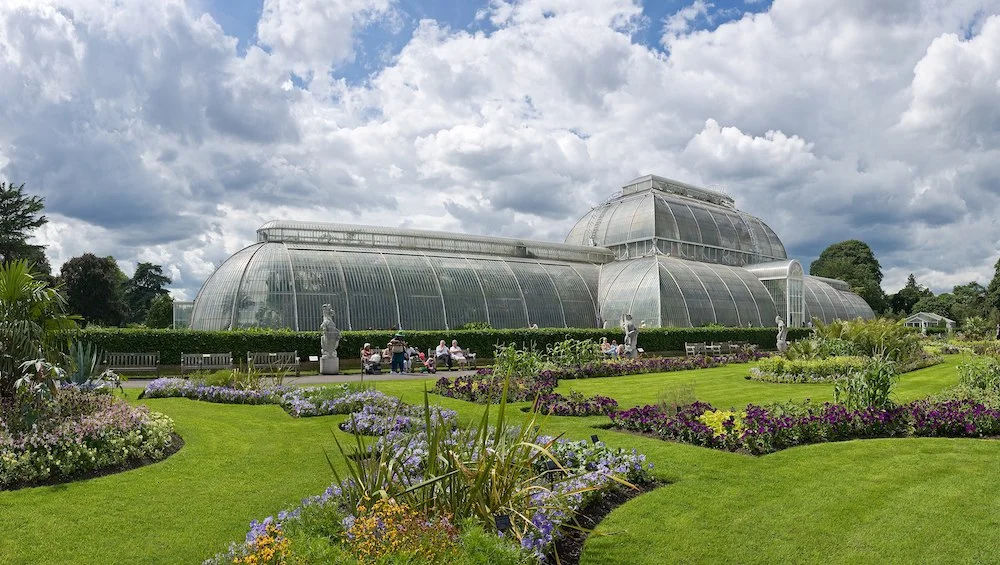
Royal Botanic Gardens, Kew
Richmond, United Kingdom
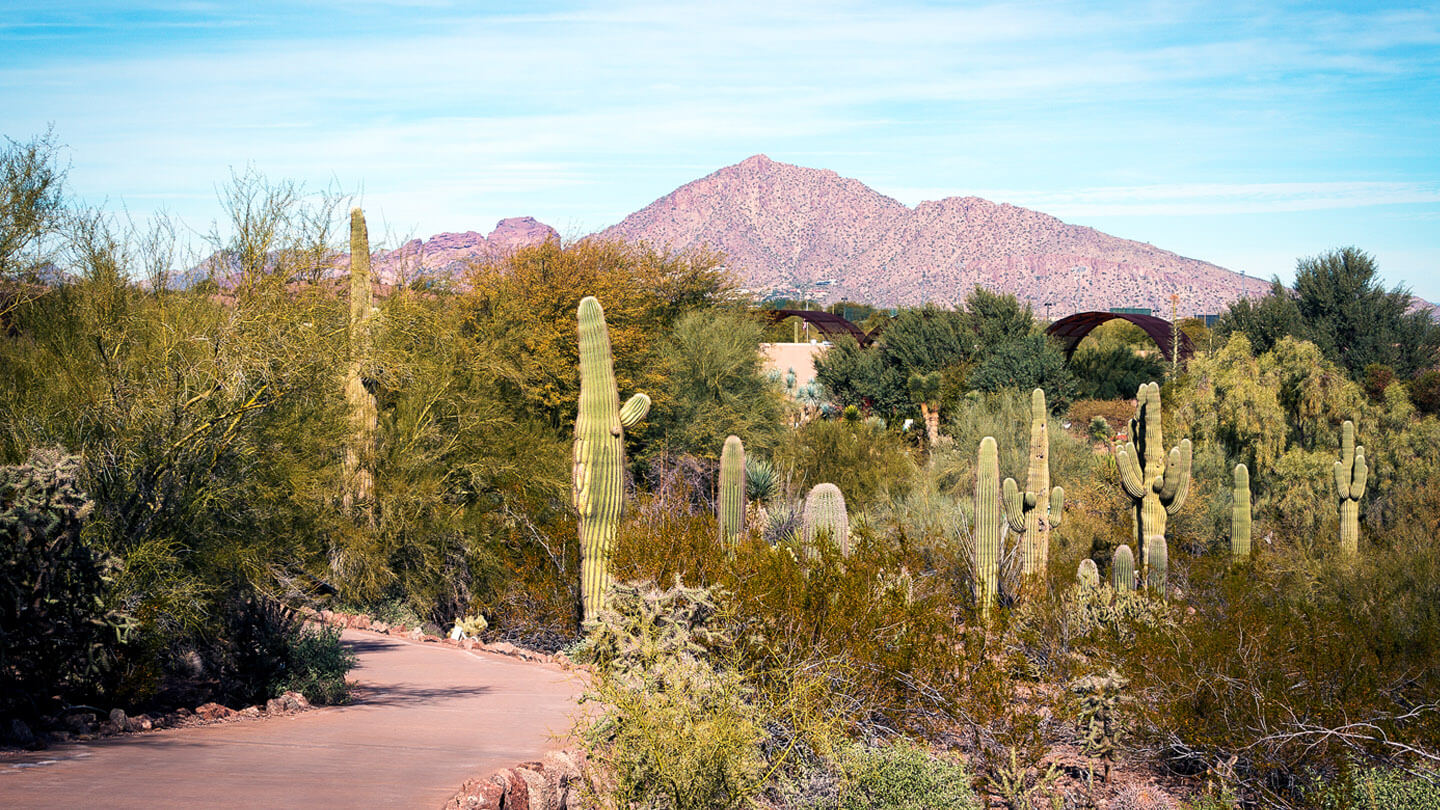
Desert Botanical Garden
Phoenix, Arizona, USA
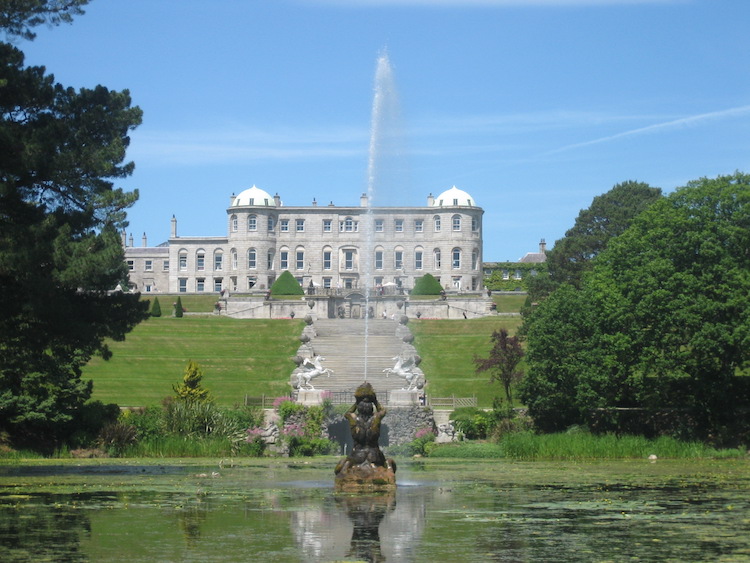
Powerscourt Gardens
Enniskerry, Co. Wicklow, Ireland