|
|
|

There are several reasons why the leaves on your Yucca may be drooping or wilting. One of the most common reasons is overwatering. Yuccas prefer well-draining soil and can suffer from root rot if they are kept in soil that is too wet. Other possible causes of drooping or wilting leaves include underwatering, pests or disease, or exposure to extreme temperatures or direct sunlight.
To address this issue, check the soil moisture level and adjust your watering schedule as needed. Make sure the soil is well-draining and consider adding a layer of mulch to help retain moisture. If you suspect pests or disease, treat the plant with an appropriate insecticide or fungicide. Finally, ensure that the plant is not exposed to extreme temperatures or direct sunlight, which can stress the plant and cause it to wilt.
Gardening Expert: |
If you can't find what you are looking for on the website then you can ask one of our experts. To get in touch with us Click Here
We will try to get back to you with an answer as soon as we can.
Yucca plants are a genus of perennial shrubs and trees native to North America, Central America, and the Caribbean. They are known for their striking, sword-shaped leaves and large, showy flowers. Yucca plants are popular ornamental plants and are also used for food, medicine, and other purposes.
Yucca plants have long, narrow leaves that are often stiff and pointed. They can range in colour from green to blue-green, and some species have variegated leaves. Yucca plants produce large, showy flowers that can range in colour from white to pink to yellow. The flowers are often bell-shaped or trumpet-shaped and are held on tall spikes above the foliage. Yucca plants can range in size from small shrubs to large trees, depending on the species.
Yucca plants are generally easy to grow and care for, making them a popular choice for gardens and landscapes. They prefer well-drained soil and full sun, although some species can tolerate partial shade. Yucca plants are also drought-tolerant and can handle a wide range of temperatures, making them a good choice for many regions. Some species of yucca plants can be propagated by seed, while others can be propagated by division. Pruning is usually not necessary, but can be done to remove dead or damaged leaves.
Yucca plants are used for a variety of purposes, both ornamental and practical. In landscaping, they are often used as focal points or accents, and can be planted in groups or as a specimen plant. Some species of yucca plants are also used for food, particularly the roots, which can be roasted or boiled. Yucca plants also have medicinal properties and are used in traditional medicine to treat a variety of ailments, such as inflammation and arthritis.
Yucca plants are a striking and versatile addition to any garden or landscape. With their sword-shaped leaves and showy flowers, they make an attractive focal point or accent. They are also useful for practical purposes, such as food and medicine.
Did you find this answer useful? Subscribe to our newsletter for gardeing news, projects, special offers and competitions.

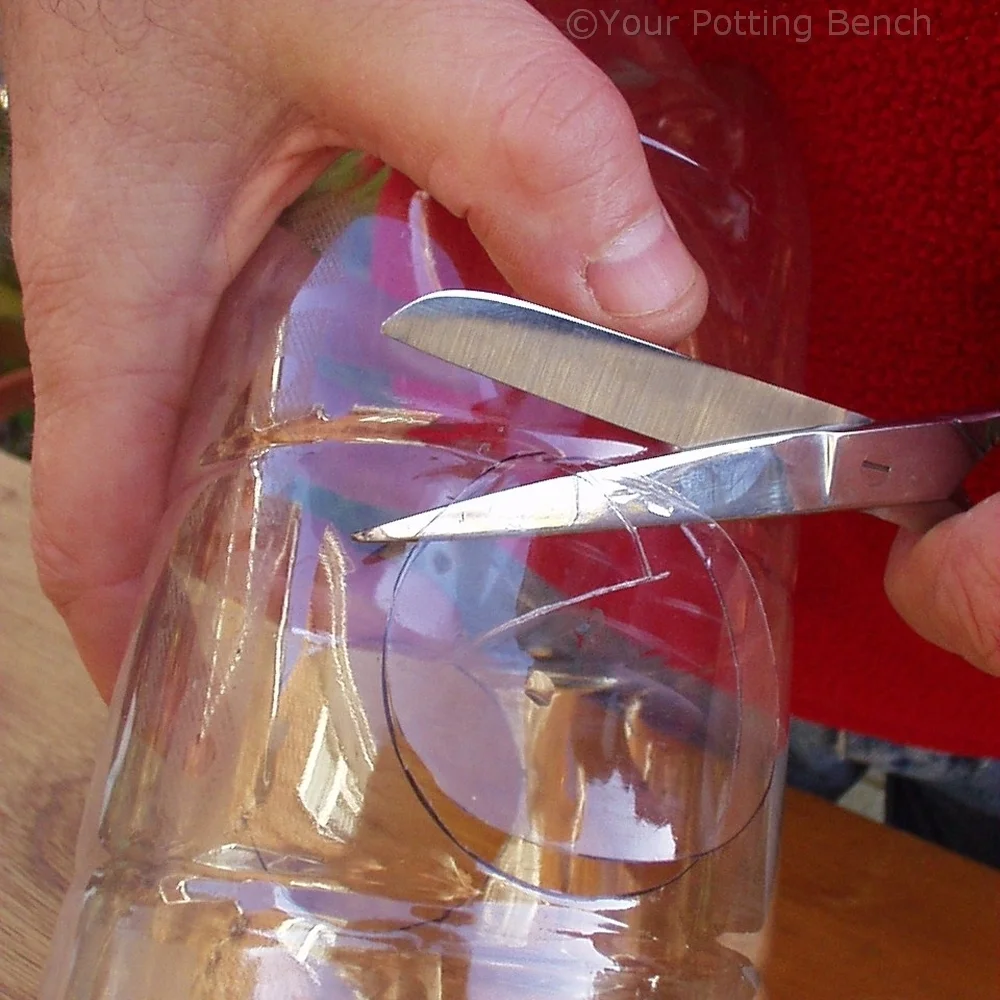

Saint Petersburg Botanical Garden
Saint Petersburg, Russia

Villa d'Este Gardens
Tivoli, Italy

RHS Garden, Wisley
Woking, United Kingdom
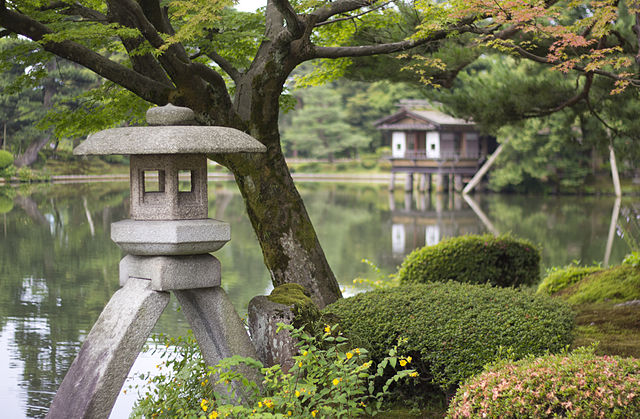
Kenrokuen Garden
Kanazawa, Ishikawa, Japan

Shinjuku Gyoen National Garden
Tokyo, Japan

Kirstenbosch National Botanical Garden
Cape Town, South Africa