|
|
|

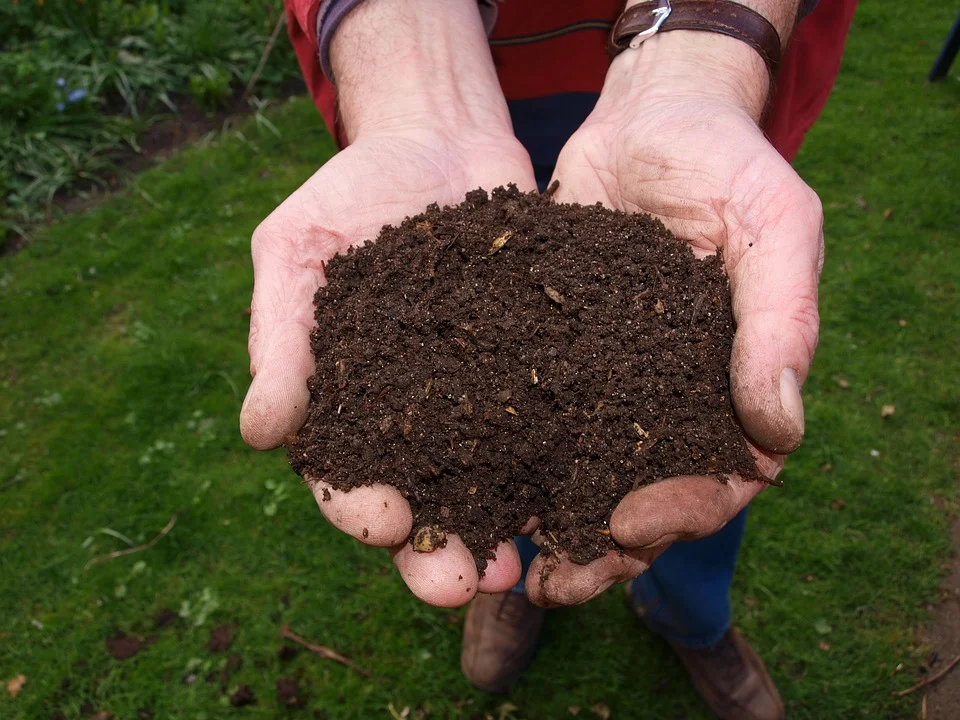
Soil is natural, produced as weather and natural organisms break down rocks, plant debris and decaying animal matter. It varies from area to area depending on the underlying rock and whether it has been moved around, like on a new housing estate. Compost comes in two types: the first is made by accumulating plant debris from the garden and letting it rot down; the second is made and bagged by manufacturers, using materials like peat or coconut fibre (coir). Home-made compost is ideal to use as a soil improver, but it is not sterile and its make-up depends on what went into it. Bought, bagged compost should be clean and consistent so its better for sowing seed, indoor plants and growing plants in containers.
John Innes compost is based on sterile soil and is ideal for growing different types of plants. It comes as Seed & Potting compost, but also at three different strengths according to how much fertiliser has been added to it. Number 1 is the weakest and is good for bedding plants, alpines and smaller plants; no.2 is stronger and is suited to medium-term plantings like shrubs; no.3 is the strongest and is suitable for long-term plantings of trees, conifers and bigger shrubs. Most plants work their way up to needing no.3 and, if you put a small plant into it straight away, the high fertiliser level may scorch the roots.
Gardening Expert: |
If you can't find what you are looking for on the website then you can ask one of our experts. To get in touch with us Click Here
We will try to get back to you with an answer as soon as we can.
Did you find this answer useful? Subscribe to our newsletter for gardeing news, projects, special offers and competitions.
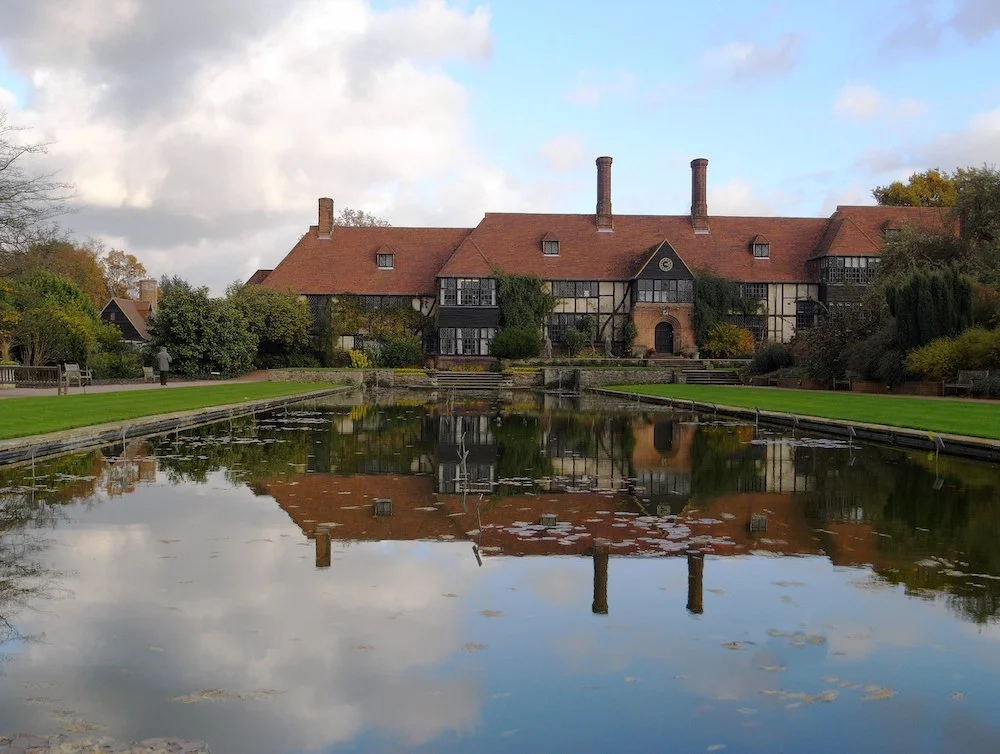
RHS Garden, Wisley
Woking, United Kingdom
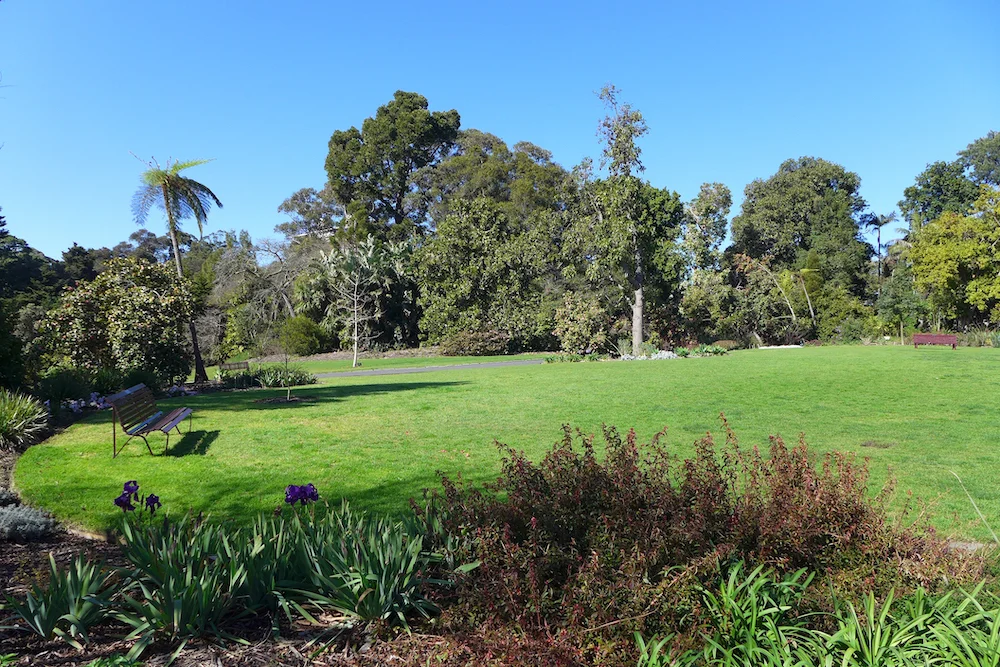
Royal Botanic Gardens Victoria
Melbourne, Australia
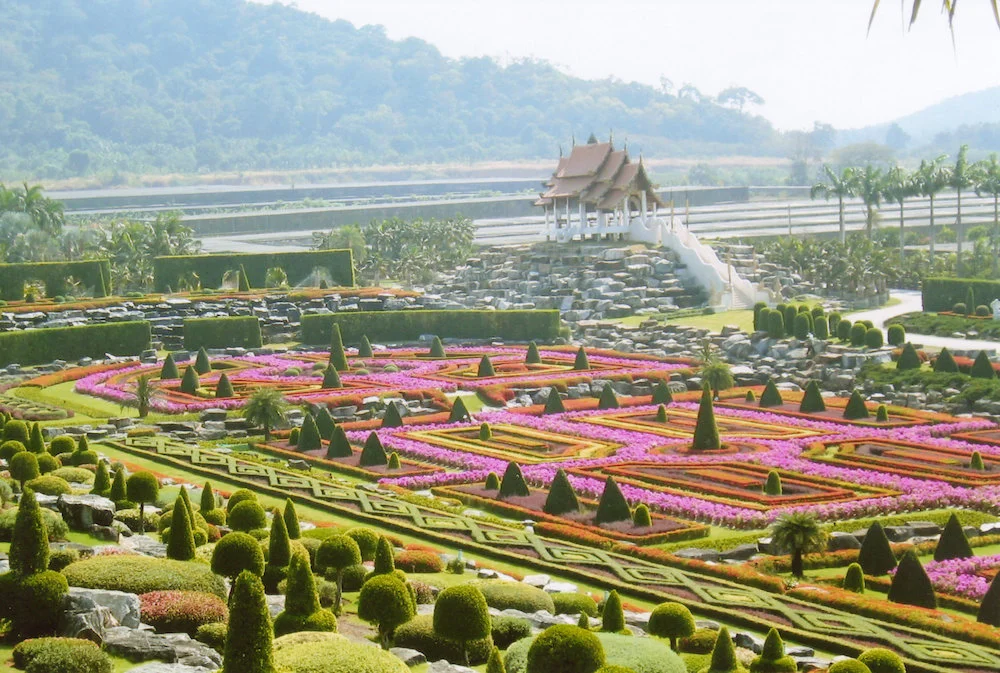
Nongnooch Tropical Garden
Pattaya, Thailand
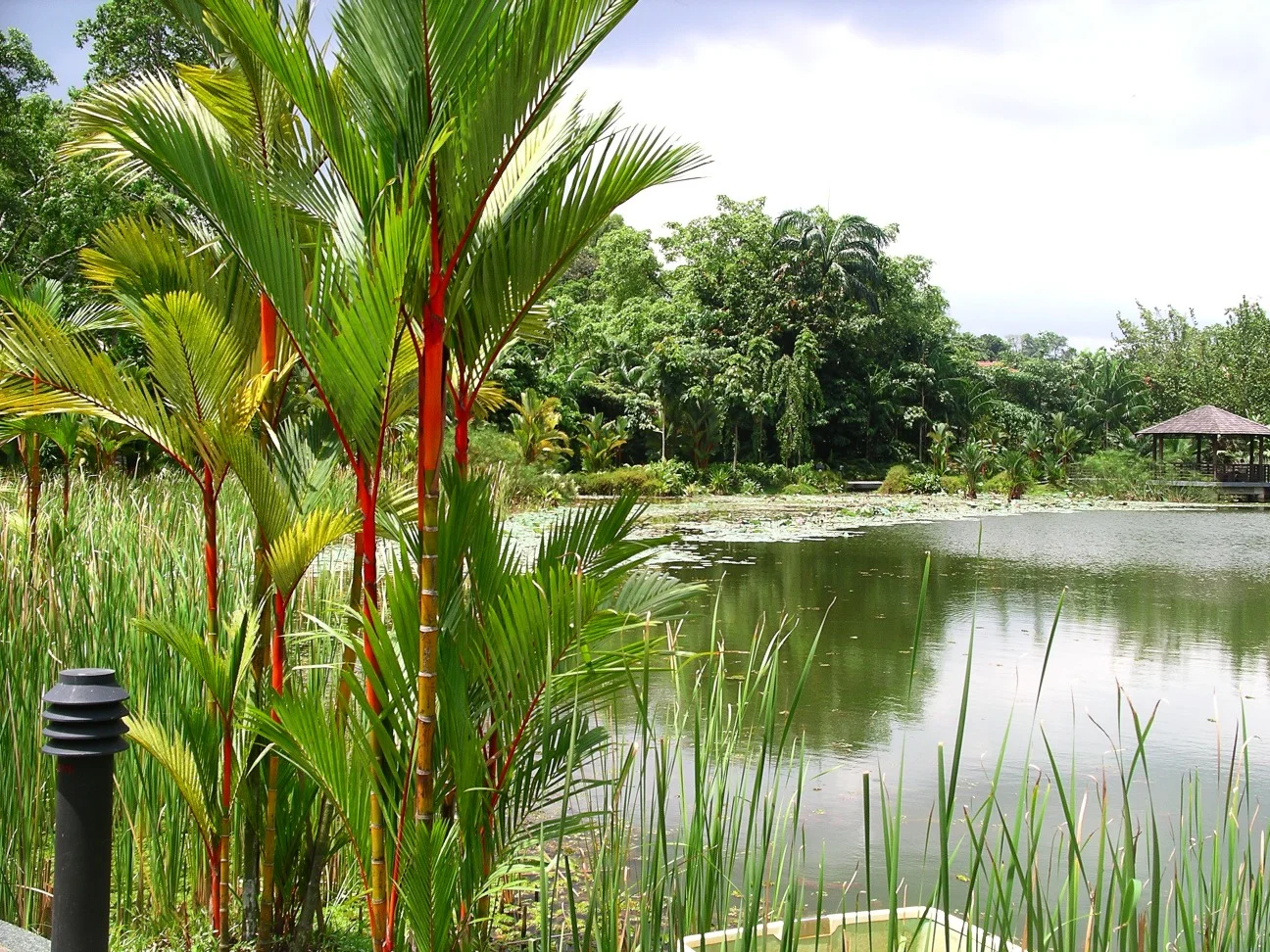
Singapore Botanic Gardens
Singapore
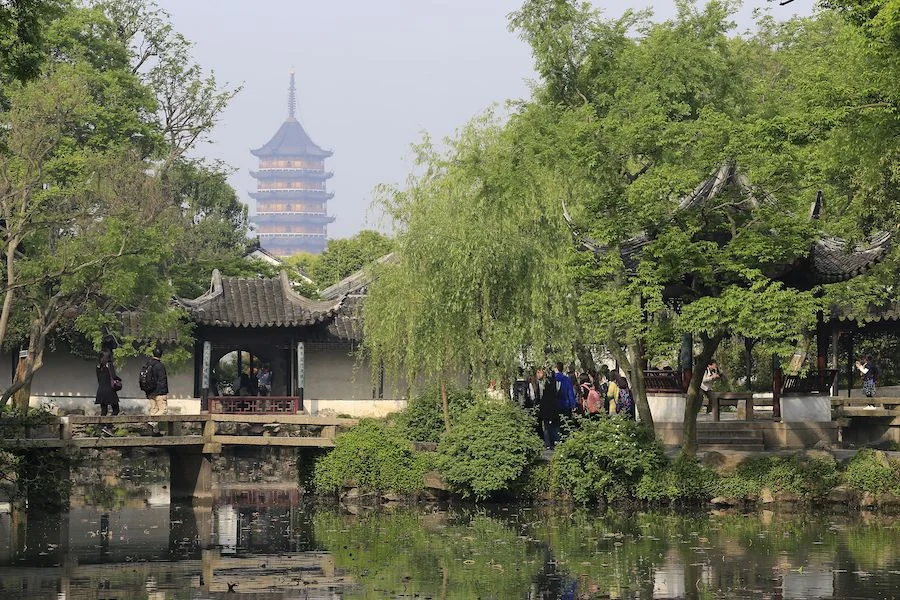
Humble Administrator's Garden
Suzhou, China
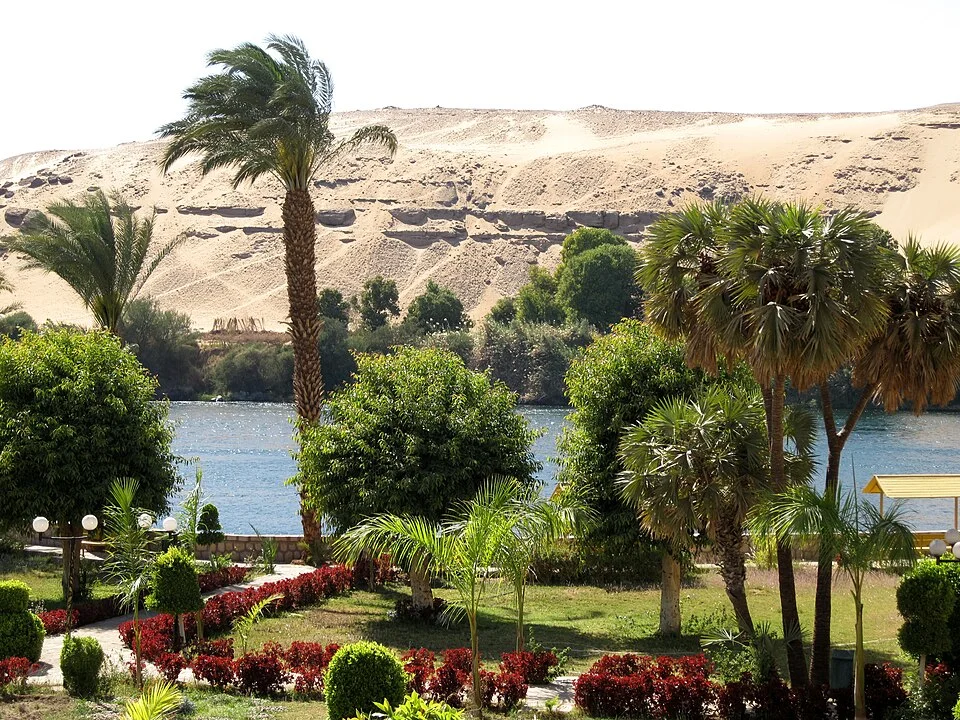
Aswan Botanical Garden
Aswan, Egypt